Imagine waking up to find your child standing on the balcony or your partner halfway down the street, all while they were fast asleep. For many, this isn't a nightmare-it's a reality of living with parasomnia is a group of sleep disorders involving abnormal movements, behaviors, emotions, perceptions, and experiences that occur during sleep. While these episodes can seem harmless or even funny in movies, they can be incredibly dangerous. In fact, some frequent sleepwalkers face injury rates as high as 38%, leading to thousands of emergency room visits every year.
The goal isn't just to stop the episodes-since that often requires medical intervention-but to make the environment "fail-safe." By changing the layout of the bedroom and the rest of the house, you can drastically reduce the risk of a midnight stroll turning into a medical emergency. Here is how to turn a dangerous sleep environment into a safe haven.
The Bed and Immediate Surroundings
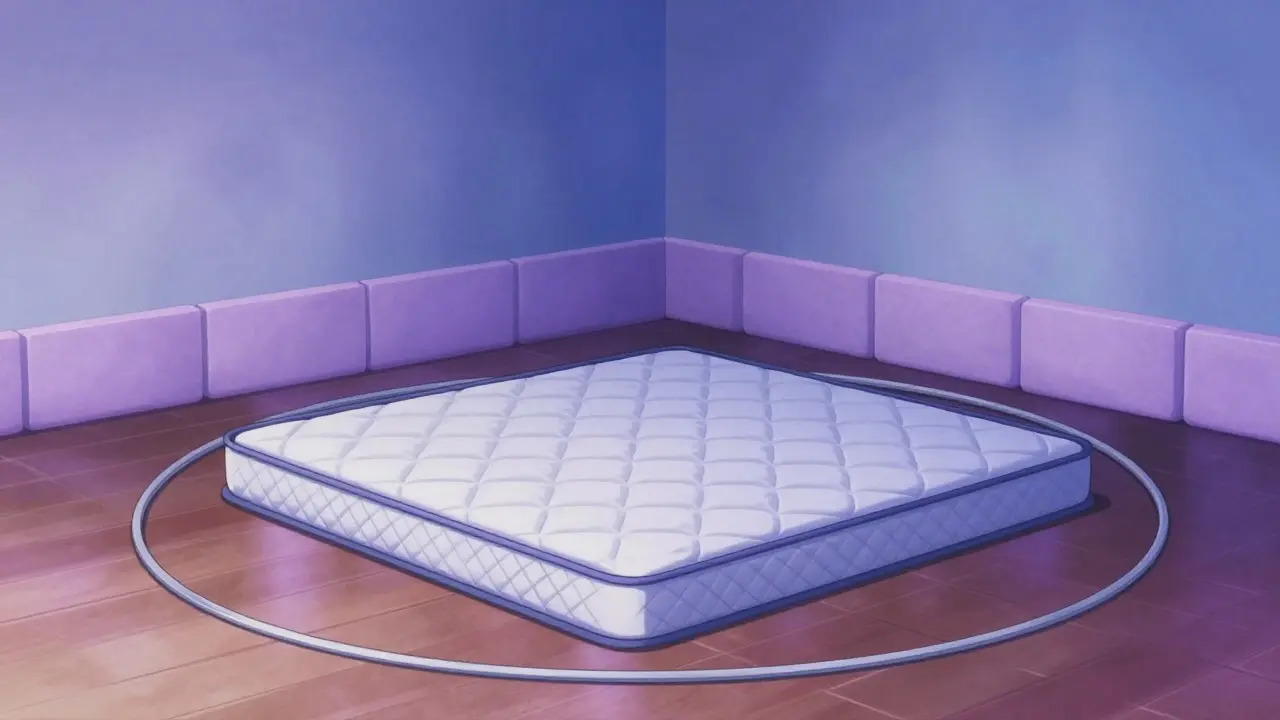
The area immediately around the bed is where most falls and collisions happen. The most effective way to stop a fall from becoming a fracture is to eliminate the fall itself. MetroHealth Medical Center suggests lowering the bed to floor level. By moving the mattress to the ground, you remove the standard 18-24 inch drop, which can cut fall-related injuries by about 92%.
If a floor mattress isn't an option, consider these modifications:
- Padded Rails: Install bed rails with padding that extends at least 16 inches above the mattress. This simple barrier prevents a huge number of roll-out incidents.
- The Six-Foot Rule: Clear everything out of a 6-foot radius around the bed. This means no nightstands with sharp corners, no area rugs that can bunch up, and absolutely no electrical cords stretching across the floor.
- Impact Padding: For those with violent episodes, installing 2-inch thick high-density foam padding along the walls within a 3-foot perimeter of the bed can reduce impact injuries by 85%.
One interesting technique validated in clinical trials is using a full-length sleeping bag with armholes. This doesn't stop the parasomnia, but it restricts the person's ability to wander far from the bed, significantly reducing the distance they travel during an episode.
Securing Exits and Windows
The biggest danger in parasomnia isn't usually inside the bedroom-it's the door and the window. Once a sleepwalker leaves the room, the risks multiply. If you live in a multi-story home, the National Sleep Foundation strongly recommends moving the sleeper's bedroom to the ground floor. Statistics show that 92% of serious parasomnia injuries occur when people sleep on upper levels.
To secure the room, focus on these high-risk points:
| Area | Modification | Purpose/Effect |
|---|---|---|
| Windows | Secondary locks (10lb force requirement) | Prevents accidental opening while allowing emergency fire exit. |
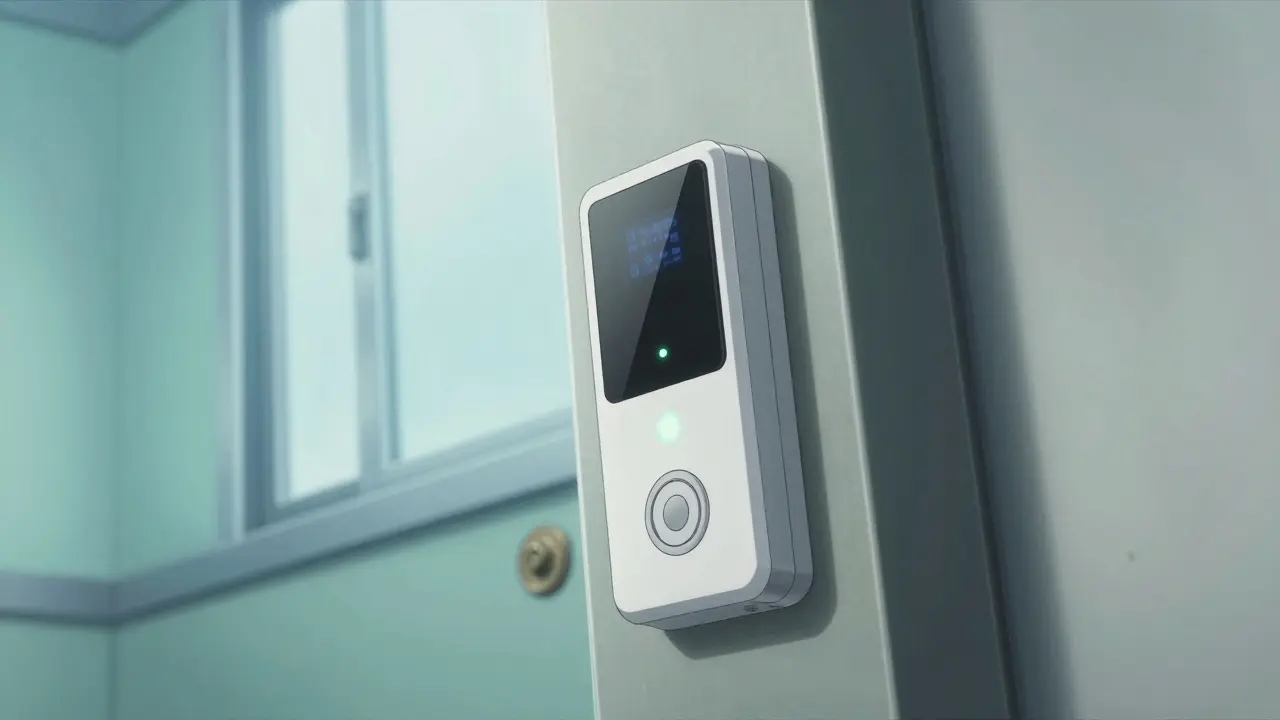
| Bedroom Door | Electronic door alarms (e.g., Sleep Guardian Pro) | Alerts caregivers within 0.8 seconds of movement. |
| Hallways | Removal of clutter and trip hazards | Prevents falls during navigation to other rooms. |
Door alarms are often described as "essential" by caregivers. Medical-grade systems are generally better than cheap alternatives; while budget alarms often trigger false alerts, professional systems are far more reliable and less likely to wake you up for no reason.
Daily Habits to Reduce Episode Frequency
While physical barriers save lives, improving sleep hygiene can actually reduce how often these episodes happen. Parasomnias are often triggered by fragmented sleep or high levels of arousal.
To lower the frequency of episodes, try these evidence-based shifts:
- Stick to a Clock: Keep your bedtime and wake time consistent within 30 minutes. This stability can reduce episode frequency by over 40% in adults.
- The Digital Dead-Zone: Keep all electronic devices at least 10 feet away from the bed. Avoid screens for two hours before sleep to keep your brain from staying in a high-state of arousal.
- Watch the Stimulants: Avoid caffeine at least 8 hours before bed and alcohol at least 4 hours before. Alcohol might make you fall asleep faster, but it disrupts sleep architecture, which often triggers more severe parasomnia episodes.
- Optimize the Air: Keep your room between 60-67°F (15.6-19.4°C) and maintain a humidity level of 40-60%. A room that is too hot or too humid can trigger a partial arousal from sleep.
A 20-minute wind-down routine-think diaphragmatic breathing or progressive muscle relaxation-can also help transition the brain into a deeper, more stable sleep, making an episode less likely to start.

How to Handle an Active Episode
What do you do when you catch someone sleepwalking? The instinct is to shake them awake, but that is actually the worst thing you can do. Expert consensus from the American Academy of Sleep Medicine warns that abruptly waking a person can trigger violent behavior or intense confusion, increasing the risk of aggression by 68%.
Instead, follow the "gentle guide" method:
- Stay Calm: Use a low, soothing voice.
- Keep it Quiet: Keep your volume between 45-55 decibels.
- Redirect, Don't Force: Gently lead them back to their bed. Avoid grabbing them firmly, as this can cause a panic response.
For those who have a very predictable pattern, "scheduled awakenings" can work. By keeping a sleep diary for two weeks, you can identify when episodes usually happen and wake the person 15-30 minutes before that time. This can cut the frequency of non-REM parasomnias by over 50% in children.
Long-Term Management and Professional Help
If bedroom modifications aren't enough, it may be time to look at clinical options. Some high-risk cases benefit from pharmacological interventions. For example, certain medications like clonazepam can reduce injury risk by 76%, though they come with risks of dependency.
For children, melatonin supplementation (2-5 mg) taken two hours before bed is often recommended to reduce the frequency of episodes with fewer side effects. Always consult a doctor before starting these, as dosage and timing are critical.
Implementing these changes takes time-usually 2 to 4 weeks for the person to adapt to the new environment. Costs can range from $250 for basic alarms and padding to over $1,200 for full-room modifications. The good news is that many insurance providers are starting to cover these modifications because it is much cheaper to pay for a door alarm than an emergency room visit for a broken leg.
Is it dangerous to wake up a sleepwalker?
Yes, it can be. Abruptly waking someone during a parasomnia episode often causes "sleep drunkenness" or extreme confusion, which can lead to violent reactions. It is much safer to use a calm voice and gently guide them back to bed.
What is the most effective way to stop someone from leaving the room?
The most effective combination is installing a medical-grade electronic door alarm to alert caregivers immediately and moving the bedroom to the ground floor to eliminate the risk of falls from stairs.
Do I really need to move the bed to the floor?
While not mandatory for everyone, it is highly recommended for those with a history of falling out of bed. Reducing the fall height to near-zero can eliminate up to 92% of fall-related injuries.
Can diet and habits actually reduce sleepwalking?
Yes. Avoiding caffeine 8 hours before bed, alcohol 4 hours before bed, and maintaining a strict sleep schedule can significantly reduce the frequency and severity of episodes by stabilizing sleep architecture.
How often should I test my bedroom safety alarms?
Safety standards recommend weekly testing of all alarms. This ensures nearly 100% operational reliability, whereas monthly testing often leads to missed failures of the device.

Write a comment
Your email address will not be published.
Recent Posts
-
 How and Where to Buy Lisinopril Online Safely in 2026 July 18, 2026




13 Comments
bed on floor is just basic common sense 🙄
tried the alarm thing and its just annoying tbh
The sheer lack of sophistication in these suggestions... is truly appalling!!! Why would one sacrifice the architectural integrity of a bedroom for such... primitive measures??? It is simply barbaric!!!
It's so wonderful to see practical tips like these. Everyone's home situation is different, but the idea of a 'fail-safe' environment really gives peace of mind to parents and partners. Let's all support each other in making our homes safer!
You people are overthinking this. Just lock the door from the outside if you have to. I don't care if it's 'intrusive,' it works. Stop pretending there's a magical 'gentle' way to handle a full-blown episode when someone's trying to walk through a wall.
The audacity to suggest that American-style 'medical-grade' alarms are the only solution is insulting! In India, we have indigenous ways of securing our homes that are far more robust than these flimsy plastic gadgets. Your obsession with overpriced brand names is pathetic and shows a total lack of global perspective on home security!
SURE, just put your child in a sleeping bag with armholes like some kind of straightjacket. This is absolutely dystopian! How can we call this 'care' when it's basically imprisonment in your own bed? Unbelievable! :-(
The ground floor advice is spot on. I've seen too many people ignore the risk of stairs until it's too late. Get the bedroom moved and get those locks installed now!
This is such a helpful guide! 🌟 I love how it covers both the physical changes and the habits. It's all about taking small steps to create a safer space for our loved ones! You've got this everyone! ✨💖
The point regarding sleep hygiene is quite poignant. Maintaining a consistent schedule often yields the best results in the long run. :)
I completely agree with the emphasis on a structured wind-down routine, and while I believe the advice provided is quite comprehensive, I must insist that anyone considering medication should do so only after an exhaustive consultation with a licensed neurologist, as the risks of benzodiazepines are far too great to ignore for the sake of a temporary solution, though I support the general spirit of this community's effort to ensure safety.
typical US medical advice, overcomplicating things with expensive gear when you just need some common sense and maybe some actual discipline in the house. these 'medical grade' gadgets are just a scam to drain your wallet
One must wonder if the act of securing a room is merely an external manifestation of our internal fear of the unconscious mind... the bed on the floor is a metaphor for the descent into the primal state where we are most vulnreable and yet most honest with our own fragility which is why the 6 foot rule is basically a circle of trust in a world of sharp corners and unpredicatable movements in the dark of night