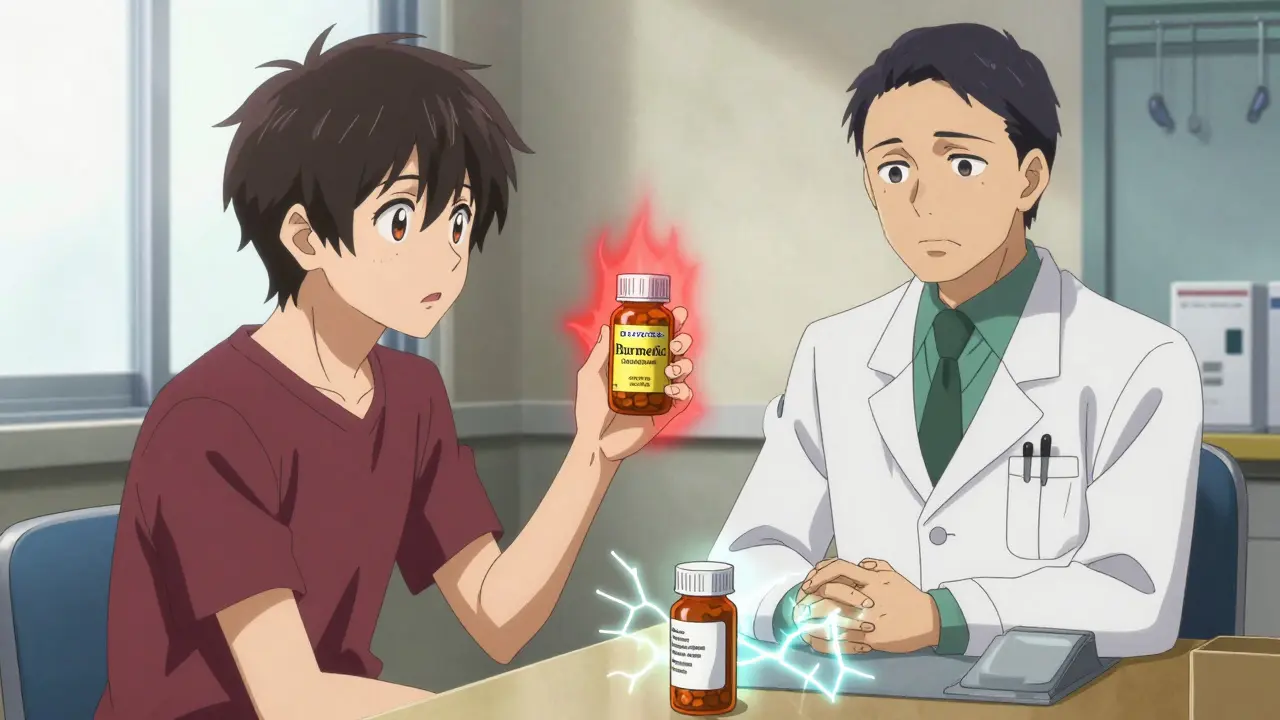
Every year, millions of people take supplements and herbal remedies to feel better, sleep deeper, or manage chronic conditions. But here’s the problem: most of them never tell their doctor. And that’s not just a missed conversation-it’s a safety risk.
Think about it. You’re on blood pressure medication. You start taking turmeric because your friend says it helps with inflammation. You don’t think twice about it. After all, it’s "natural." But turmeric can thin your blood. Combine it with your prescription, and you could end up in the ER after a minor cut won’t stop bleeding. This isn’t rare. It happens more often than you think.
What You’re Probably Not Saying
A 2023 study found that fewer than 40% of people who take herbal supplements or vitamins tell their doctor. Even among people with diabetes, heart disease, or kidney problems-those most at risk for dangerous interactions-the disclosure rate barely hits 50%. Why? Because most patients assume their doctor doesn’t care. Or worse, they think their doctor will judge them.
And doctors? Many aren’t asking. A 2021 survey showed that only 27% of physicians felt confident enough to talk about supplements. They weren’t trained to. So they skip it. Patients pick up on that silence. They assume: "If they don’t ask, it doesn’t matter."
But here’s the truth: supplements aren’t harmless snacks. They’re active substances. St. John’s wort, for example, can make birth control pills fail. Garlic pills can interfere with blood thinners. Green tea extract can mess with liver enzymes. And when you mix them with prescription drugs? You’re playing Russian roulette with your health.
Why Your Doctor Needs to Know
Let’s say you’re on an antidepressant. You start taking omega-3s because you read they help mood. Sounds safe, right? Maybe. But omega-3s can increase bleeding risk if you’re also on aspirin or warfarin. Your doctor might have adjusted your warfarin dose based on your diet and other meds. Now, without knowing about the omega-3s, they can’t adjust it again. That’s how a simple supplement turns into a medical emergency.
Or consider this: you’re taking a supplement for joint pain, but you’re also on chemotherapy. Some herbs can interfere with how your body processes chemo drugs. That could mean your treatment stops working-or your body can’t handle the side effects anymore. These aren’t hypotheticals. They’re documented cases, reported to the FDA through MedWatch. And guess what? Only about 1% of serious reactions actually get reported. Most slip through the cracks.
Here’s the kicker: your doctor doesn’t need to approve your supplements. They just need to know. That way, they can spot risks before they become problems. A quick check of your supplement list might reveal a dangerous combo you didn’t even realize existed.
What Gets Left Out
Most people only mention supplements during annual checkups-if they mention them at all. But that’s too late. The real danger happens when you start a new medication, change your dose, or get sick. That’s when interactions hit hardest.
And it’s not just pills. People forget about teas. Extracts. Tinctures. Even topical creams with herbal ingredients. Aloe vera gel might sound harmless, but if you’re on a heart medication like digoxin, some plant compounds can raise its levels in your blood to toxic amounts.
Then there’s the label problem. Supplement bottles list ingredients-but not always clearly. One brand of “immune booster” might contain echinacea. Another might have the same herb, but under a different name. Your doctor can’t guess what’s in there. That’s why bringing the actual bottle to your appointment matters. It’s not weird. It’s smart.

How to Talk About It
You don’t need to be an expert. You don’t need to memorize every herb’s effect. Just be honest. Here’s how to make it easy:
- Make a list. Write down everything you take: name, dose, how often, why.
- Bring the bottles. Or take a photo of the label on your phone.
- Say it plainly: "I’ve been taking these for [reason]. I didn’t know if I should mention them."
- Ask: "Could any of these interfere with what you’ve prescribed?"
Doctors aren’t trying to shut you down. They’re trying to keep you safe. In fact, a 2021 study showed that 78% of patients who disclosed supplement use said their doctor gave useful advice. And 63% said it made them trust their provider more.
What’s Changing
There’s good news. Medical schools are finally teaching this stuff. The American Medical Association now requires training on supplement interactions. Electronic health records are starting to include mandatory supplement fields. Apps like MyMedList help patients track what they take-and even flag potential conflicts.
In 2026, the FDA plans to push for all major EHR systems to include a supplement checklist during intake. That means your doctor won’t be able to ignore it. But until then? You have to speak up.
What Happens When You Don’t
One woman in Wisconsin took ashwagandha for stress. She didn’t tell her cardiologist she was also on metoprolol. Within weeks, her heart rate dropped dangerously low. She ended up in the hospital. The doctor only figured it out when he saw the supplement bottle in her purse.
Another man in Florida took saw palmetto for prostate health. He didn’t mention it when he started taking blood thinners after a stroke. He bled internally during a routine procedure. His surgeon only found out when he saw the supplement name on a label in his medicine cabinet.
These aren’t outliers. They’re patterns. And they’re preventable.
Bottom Line
Supplements aren’t the enemy. Ignorance is.
You have the right to use what you believe helps you. But you also have a responsibility to make sure it doesn’t hurt you. Your doctor isn’t judging your choices. They’re trying to keep you alive.
Next time you walk into a clinic, don’t wait to be asked. Say it first: "I’m taking these supplements. Can we talk about them?"
Do I need to tell my doctor about vitamins and minerals too?
Yes. Even common ones like vitamin E, vitamin K, or calcium can interfere with medications. Vitamin K can make blood thinners like warfarin less effective. High doses of vitamin E can increase bleeding risk. Calcium supplements can block absorption of some antibiotics and thyroid medications. You can’t assume they’re "too mild" to matter.
What if my doctor doesn’t know much about supplements?
That’s okay. You’re not asking them to be experts-you’re asking them to be aware. Just give them the name and dose. They can look up interactions using tools built into electronic health records. Many systems now flag known risks automatically. If they’re unsure, they can refer you to a pharmacist or integrative medicine specialist. The goal isn’t to impress your doctor. It’s to keep you safe.
Can supplements cause side effects even if I’m not on any medications?
Absolutely. Some supplements can affect your liver, kidneys, or hormone levels. For example, high doses of green tea extract have been linked to liver damage. Kava, used for anxiety, can cause severe liver injury. Even fish oil in large amounts can raise blood sugar or increase bleeding risk. Just because you’re not on prescription drugs doesn’t mean supplements are risk-free.
Is it true that the FDA doesn’t test supplements before they’re sold?
Yes. Under the Dietary Supplement Health and Education Act (DSHEA) of 1994, supplement makers don’t need FDA approval before selling products. The FDA can only act after a product is on the market and proven unsafe. That means you’re relying on the manufacturer’s honesty. Labels can be misleading. Ingredients can be missing-or contaminated. That’s why your doctor needs to know what you’re taking, even if it "looks" legit.
How do I know if a supplement is safe to take with my meds?
There’s no foolproof way to check yourself. Online databases exist, but they’re not always updated or reliable. The safest approach is to bring the supplement to your provider and ask directly. If you’re unsure, wait until you’ve talked to them. Don’t start or stop anything on your own. A quick 5-minute conversation can prevent a hospital visit.

Write a comment
Your email address will not be published.
Recent Posts
-
 H1 vs H2 Blockers: Side Effects and When to Use Each January 10, 2026
 -
 Belladonna Supplement: All-Natural Boost for Optimal Health September 2, 2025



9 Comments
So let me get this straight - we live in a world where you can buy a bottle labeled 'Immune Booster' that has 12 unknown herbs, zero FDA oversight, and a 30% chance of containing lead, but your doctor gets side-eyed if you mention it? 🤦♀️ I took ashwagandha for months because Instagram said it 'reduces cortisol.' Turns out it tanked my thyroid levels. My endo found out because I brought the bottle. Not because she asked. Because I was dumb enough to think it was 'just a supplement.'
Doctors don't ask because they don't know. Patients don't tell because they're afraid of being judged. Both sides are lazy. The system's broken. Just tell your doctor. Bring the bottle. Done.
i took ginkgo for 'brain fog' and ended up in the er after a nosebleed that lasted 20 mins. my doc was chill. said 'next time bring the bottle lol.' so now i do. its not hard. just dont be dumb.
The assumption that natural equals safe is one of the most dangerous myths of modern life. In Ayurveda, we have always understood that even the most benign herbs must be matched with the individual's constitution, the season, and the dosha imbalance. This isn't about distrust in medicine - it's about integration. Knowledge without context is noise. Context without dialogue is silence. And silence, in this case, can be lethal.
America is collapsing because people think 'natural' means 'free from consequences.' 🇮🇳 We have 5000 years of herbal science - neem, turmeric, ashwagandha - used with precision, not as Instagram trends. You take something because a stranger on TikTok said so? That’s not wellness. That’s colonial stupidity. Your body isn’t a lab for your ignorance.
I'm sorry but this whole post reads like a PSA from a pharmaceutical rep who got fired from their job at Pfizer. Supplements are regulated in Europe. In China they're treated like medicine. In the US? You can buy a 'cancer cure' on Amazon for $19.99 with a 4.8 star rating from 2000 bots. The real problem isn't that people don't tell their doctors - it's that the entire system is a dumpster fire and no one wants to admit it. And now you want me to trust my life to a doctor who doesn't know what 'saw palmetto' is? Please.
I had a friend who took St. John’s Wort for 'mild depression' while on warfarin. She almost died. Not because she was stupid. Because the system failed her. Her doctor never asked. The pharmacy didn't flag it. The supplement label didn't warn her. She didn't even know it was dangerous. And now? She's on a feeding tube. This isn't about 'being responsible.' It's about systemic negligence. We've turned healthcare into a marketplace of ignorance.
vits dont matter unless youre on chemo or blood thinners. stop scaremongering. i take vitamin d and calcium every day. im fine. your doc has better things to do than worry about your gummy bears.
Look - I get it. You're trying to optimize. You're biohacking. You're tracking your HRV, your sleep, your micronutrients. But here's the thing: supplements aren't data points. They're pharmacologically active compounds with half-lives, CYP450 interactions, and hepatic clearance pathways. You don't need to know the enzyme kinetics. But you do need to know that if you're on a statin and taking red yeast rice, you're essentially doubling your dose. That's not 'natural wellness.' That's accidental toxicity. Bring the bottle. Say the words. Your doc isn't here to judge - they're here to triangulate risk. And if they don't know? That's on them. But your safety? That's on you.