Bisphosphonate Dosing Schedule Planner
Follow this interactive timeline to ensure your osteoporosis treatment is effective. Click through each step to see the critical timing rules.
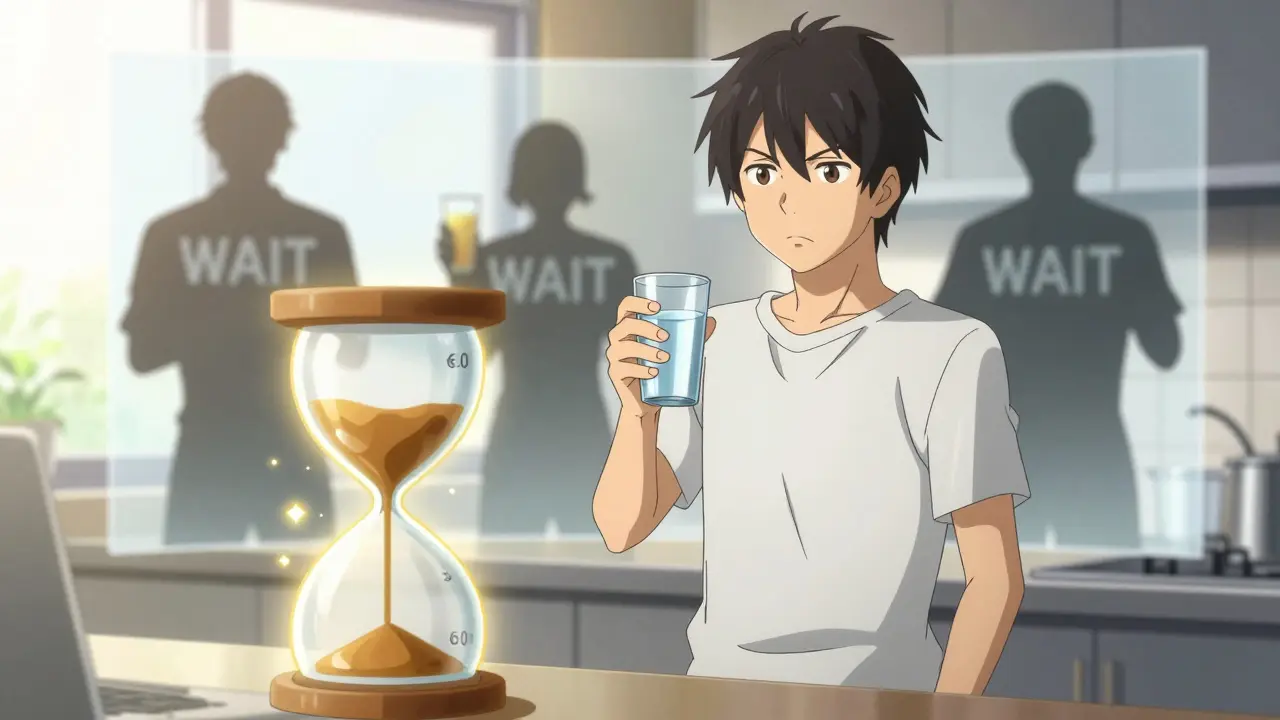
Ensure you have a full glass of plain water ready. This must be plain filtered or tap water—no mineral water, coffee, juice, or milk.
⚠️ Even small amounts of calcium in beverages can interfere with absorption.Swallow your tablet (alendronate, risedronate, etc.) with at least 6-8 oz of plain water while sitting or standing upright.
✅ Do not lie down for at least 30 minutes after taking the pill to prevent esophageal irritation.This is the most important step. You must wait at least 30-60 minutes before consuming anything else.
- No food or snacks
- No coffee, tea, or juice
- No other medications or supplements
Now it's safe to eat breakfast and take your calcium and vitamin D supplements. These work together to support bone formation.
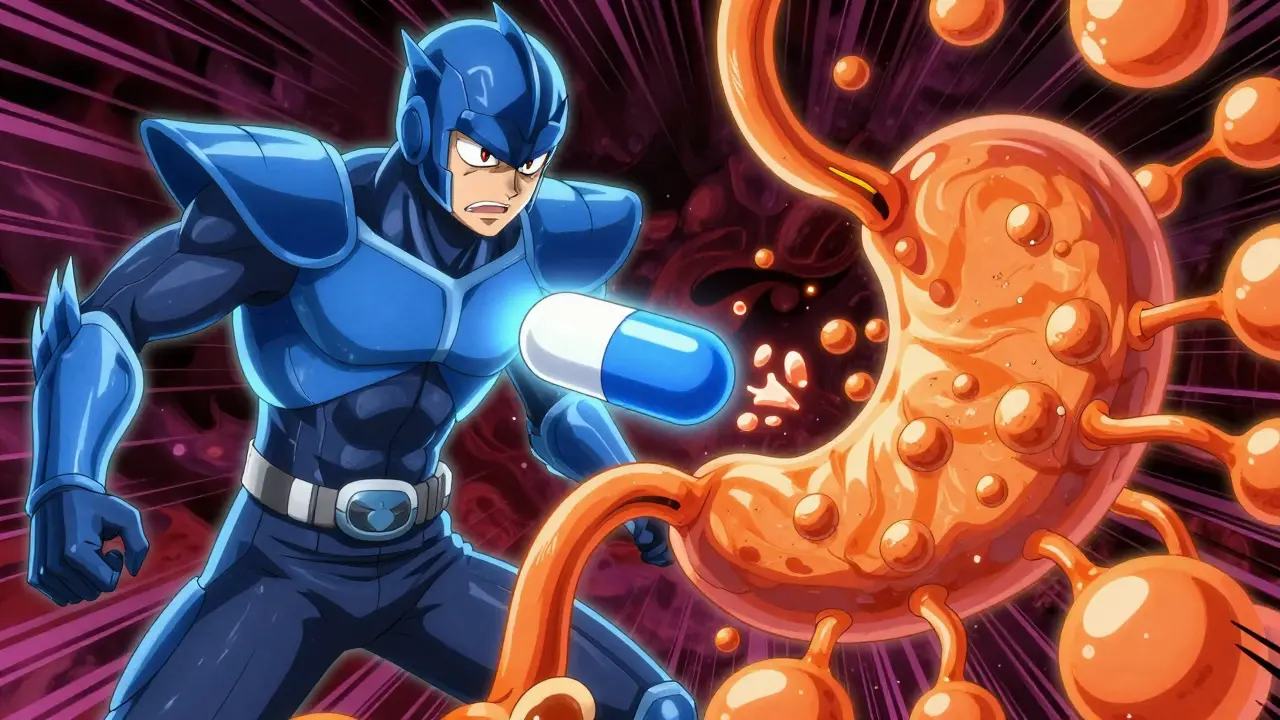
💡 Tip: Many patients combine their calcium and vitamin D pills with lunch or dinner for easier routine management.Imagine swallowing a pill designed to strengthen your bones, only to have it neutralized before it even reaches your bloodstream. This isn't a hypothetical scenario; it is the daily reality for thousands of patients taking bisphosphonates, a class of drugs that are first-line treatments for osteoporosis that work by inhibiting bone resorption. These medications are powerful tools against fractures, but they come with a strict catch: they cannot coexist with calcium in your stomach. If you take your calcium supplement at the same time as your bisphosphonate, you aren't just wasting money-you are rendering your treatment nearly useless.
The relationship between these two substances is not a gentle suggestion; it is a chemical hard stop. Understanding this interaction is the difference between preventing a hip fracture and suffering one. Let's break down why this happens, how to fix your routine, and what the latest science says about getting the most out of your prescription.
Why Bisphosphonates and Calcium Don't Mix
To understand the problem, we have to look at how these drugs work. Bisphosphonates are synthetic compounds containing a phosphorus-carbon-phosphorus bond. This structure gives them a high affinity for calcium hydroxyapatite, the mineral component of bone. Once absorbed, they target osteoclasts, which are cells responsible for breaking down old bone tissue. By inhibiting these cells, bisphosphonates slow down bone loss and help preserve skeletal density.
However, getting the drug from your mouth into your blood is incredibly difficult. Oral bisphosphonates like alendronate (Fosamax), risedronate (Actonel), and ibandronate (Boniva) have extremely poor bioavailability. In fact, less than 1% of the dose you swallow actually gets absorbed by your body. The rest is either excreted or, worse, bound up by other substances in your digestive tract.
This is where calcium becomes the enemy. When calcium ions meet bisphosphonates in the gastrointestinal tract, they form insoluble complexes. Think of it like trying to dissolve sugar in oil-it just doesn't happen. Pharmacokinetic studies cited by Osteoporosis Canada show that co-administration can reduce bioavailability by up to 90%. If you take your morning calcium with your weekly pill, you might be absorbing only a fraction of the intended dose. That tiny amount simply isn't enough to protect your bones effectively.
The Golden Rule: Timing Is Everything
So, how do you solve this? You separate them. The clinical guidelines from institutions like the Hospital for Special Surgery and the Cleveland Clinic are clear on this point. You must create a buffer zone between taking your bisphosphonate and consuming any food, beverage, or supplement containing calcium.
- Take your bisphosphonate first thing in the morning. Wait until you have been fasting overnight.
- Use plain water only. Do not use coffee, juice, mineral water, or milk. Even small amounts of calcium in tap water can interfere, though plain filtered water is generally safe.
- Wait at least 30 to 60 minutes. After swallowing the tablet, you must wait this full window before eating breakfast or taking your calcium supplement.
- Stay upright. Remain sitting or standing for at least 30 minutes after taking the pill to prevent esophageal irritation.
This timing requirement is non-negotiable. It stems from the physical chemistry of the drugs. Without this separation, the therapeutic efficacy drops significantly. A 2006 adherence study published in PubMed found that approximately 40% of patients incorrectly took their calcium supplements simultaneously with their bisphosphonates. This widespread error contributes heavily to treatment failure and continued bone loss despite being "on medication."
Calcium and Vitamin D: The Necessary Partners
If calcium interferes with absorption, why do doctors prescribe it alongside bisphosphonates? Because you need both to build strong bones. Bisphosphonates stop the breakdown, but calcium provides the raw material for new bone formation. They are partners, just not at the same time.
Authoritative guidelines, including those from the American College of Rheumatology, state unequivocally that optimal use of bisphosphonates requires adequate calcium and vitamin D intake. Most large pivotal trials, such as the Fracture Intervention Trial (FIT), established that patients should receive 500-1000 mg of supplemental calcium daily above their dietary intake.
| Nutrient/Medication | Recommended Daily Amount | Key Function | Timing Relative to Bisphosphonate |
|---|---|---|---|
| Calcium | 1000-1200 mg total (diet + supplements) | Bone mineralization substrate | At least 30-60 mins after bisphosphonate |
| Vitamin D | 800-1000 IU | Enhances calcium absorption | Can be taken with calcium, away from bisphosphonate |
| Bisphosphonate | Prescribed dose (e.g., 70mg weekly) | Inhibits osteoclast activity | Fasted state, plain water only |
Vitamin D plays a crucial role here too. Without sufficient vitamin D, your body cannot absorb calcium efficiently, regardless of how much you eat. The Endocrine Society guidelines specify that vitamin D supplementation of 800-1000 IU daily is equally critical for optimal outcomes. Many patients combine their calcium and vitamin D pills to simplify their routine, taking them together with lunch or dinner, well clear of the morning bisphosphonate window.
Real-World Challenges and Solutions
Knowing the rules is one thing; following them every single day is another. Real-world data shows significant struggle. A 2022 survey by the National Osteoporosis Foundation found that 58% of patients discontinued bisphosphonate therapy within the first year. Difficulty managing multiple medications with specific timing requirements was the third most common reason for quitting, cited by 23% of respondents.
Confusion is rampant. On Reddit’s r/Osteoporosis community, 67% of surveyed users reported initial confusion about the required timing separation. Common mistakes include taking calcium immediately after the bisphosphonate, thinking "close enough" counts, or forgetting the rule entirely on busy mornings.
Fortunately, there are solutions. Integrated packaging has emerged as a game-changer. Products like Actonel with Calcium come in a pack containing one risedronate tablet and six calcium carbonate tablets. Clinical testing showed this improved patient understanding of dosing instructions by 28%. Users specifically praised the reminder system built into the packaging. If you find yourself struggling with the timing, ask your doctor if an integrated pack is available for your specific medication. It removes the guesswork and ensures you never accidentally mix the two.

Risk vs. Reward: Is It Worth the Hassle?
Given the strict regimen, some patients wonder if the effort is worth it. The answer lies in the numbers. Bisphosphonates reduce the risk of vertebral fractures by 40-50% and hip fractures by 20-25%. Hip fractures are particularly dangerous, with mortality rates reaching 20-24% within one year according to CDC data.
Compare this to the risks of the medication itself. Serious adverse events like osteonecrosis of the jaw (ONJ) are rare, occurring in fewer than 0.1% of osteoporosis patients. Atypical femur fractures are also uncommon. Dr. Ethel Siris, director of the Toni Stabile Osteoporosis Center at Columbia University, noted that the risk of an osteoporotic fracture is much greater than the risk of ONJ. The number needed to treat (NNT) to prevent one hip fracture over three years is 44 for high-risk patients, while the number needed to harm (NNH) for ONJ is estimated at 10,000-100,000 patient-years.
The benefit clearly outweighs the burden, provided you manage the administration correctly. Properly timed bisphosphonate therapy preserves bone strength and independence in later life. Improperly timed therapy offers little protection and exposes you to side effects without the reward.
Long-Term Strategy and Drug Holidays
Bisphosphonates stay in your bones for a long time-studies indicate persistence exceeding ten years. This long half-life allows for "drug holidays." After 3-5 years of continuous therapy, many patients at lower fracture risk can pause treatment under medical supervision. During a drug holiday, you still need to maintain adequate calcium and vitamin D intake, but the strict fasting protocol for the bisphosphonate is temporarily lifted.
Annual reevaluation is key. Your doctor will assess your bone density scans and fracture risk using tools like the WHO's FRAX algorithm. This dynamic approach ensures you are only taking the medication when necessary, reducing long-term exposure while maintaining bone health.
Can I take my calcium supplement with my bisphosphonate if I wait 10 minutes?
No. Ten minutes is not enough time. Clinical guidelines recommend waiting at least 30 to 60 minutes after taking your bisphosphonate before consuming any calcium. Taking it sooner significantly reduces the drug's absorption, potentially making your treatment ineffective.
Does the type of calcium matter for interactions?
Yes, all forms of calcium interact with bisphosphonates. Whether you take calcium carbonate (found in Tums or generic supplements) or calcium citrate, both contain calcium ions that bind to the medication in the gut. The interaction is chemical, not dependent on the specific salt form. Always separate all calcium sources from your bisphosphonate dose.
What if I forget to take my bisphosphonate in the morning?
If you miss your morning dose, do not take it later in the day unless you can guarantee a full fast and upright position for the required time. Generally, it is safer to skip the missed dose and take the next one at the regularly scheduled time. Never double up on doses. Consult your pharmacist for specific advice on your brand of medication.
Can I drink coffee or juice after taking my bisphosphonate?
No. You should only use plain water when taking oral bisphosphonates. Coffee, tea, orange juice, and mineral water can all interfere with absorption. Wait the full 30-60 minute window before enjoying your morning beverage.
Are intravenous bisphosphonates subject to the same calcium restrictions?
No. Intravenous (IV) bisphosphonates, such as zoledronic acid (Reclast), bypass the gastrointestinal tract entirely. Since they are delivered directly into the bloodstream, food and calcium supplements do not affect their absorption. However, you still need to maintain adequate calcium and vitamin D levels for overall bone health, just not at the exact moment of infusion.

Write a comment
Your email address will not be published.
Recent Posts
-
 Buy Cheap Generic Metformin Online - Complete Guide & Tips September 30, 2025
 -
 Methimazole Allergy: Symptoms, Diagnosis & Management Guide October 18, 2025


12 Comments
This is incredibly helpful. I’ve been taking my calcium and bisphosphonate at the same time for months, thinking it was fine since they’re both for bone health. No wonder I haven’t seen much improvement in my density scans. Thank you for clarifying the timing rule-I’m definitely switching to morning-only bisphosphonates with water, then calcium later.
It’s rather absurd how these pharmaceutical companies insist on such rigid protocols; one would think that if a drug were truly effective, it wouldn’t require fasting and precise scheduling just to be absorbed properly, which seems like a design flaw rather than a feature, yet here we are, following instructions as though our lives depend on them-which, ironically, they might-but still, it feels overly complicated.
One must exercise extreme diligence when managing osteoporosis therapy. The interaction between bisphosphonates and calcium is not merely a suggestion but a chemical imperative. Failure to adhere to the thirty-to-sixty-minute window renders the treatment ineffective, exposing the patient to unnecessary risk of fracture without therapeutic benefit. Precision is non-negotiable.
people complain about the timing but its really not that hard. take pill wait eat. simple. i dont see why everyone makes it so dramatic. just follow the label.
I appreciate this detailed breakdown. As someone who helps patients manage chronic conditions, I often see confusion around medication timing. The explanation of bioavailability and insoluble complexes is particularly clear. I’ll be sharing this with my clients to reinforce the importance of separating calcium and bisphosphonates. It’s a small change with a huge impact on efficacy.
hey folks! let's remember that staying healthy is a journey and every step counts! even if the timing seems tricky now, imagine the strength you'll build by sticking to it! don't give up on your bones! they need you as much as you need them! keep pushing forward!
The irony is palpable: we are prescribed drugs that stop bone loss, yet the very supplements meant to support bone health neutralize them if taken incorrectly. It suggests a systemic failure in patient education. Until integrated packaging becomes standard, patients remain vulnerable to self-inflicted treatment failure through ignorance of basic pharmacokinetics.
You're all missing the point. This isn't just about timing; it's about control. Doctors prescribe these regimens to ensure compliance, but most patients lack the discipline to follow them. If you can't manage a simple thirty-minute wait, perhaps you aren't ready for the responsibility of long-term osteoporosis management. Stop making excuses.
Oh, look at you, repeating the corporate line about 'timing.' 🙄 It’s amusing how you accept that big pharma needs to complicate your life instead of questioning why their products are so poorly designed. But sure, keep waiting thirty minutes like a good little patient while they profit from your confusion. 😒
This is great info. Simple steps can make a big difference. Take the pill first thing, use plain water, and wait before eating. It helps to have a routine. Stay strong and keep your bones healthy. You got this.
It’s just so frustrating that we have to play nurse to ourselves because the system is broken! 😤 Why can’t they just make pills that work no matter what? I feel like I’m being punished for trying to stay healthy. It’s not fair that I have to memorize all these rules just to avoid breaking my hip! 😡
Have you considered that the 'interaction' might be exaggerated to sell more supplements? The pharmaceutical industry loves creating problems to sell solutions. Calcium binding is basic chemistry, yes, but the strict 60-minute rule feels like fear-mongering. Wake up and question the narrative behind these guidelines. They want you dependent.