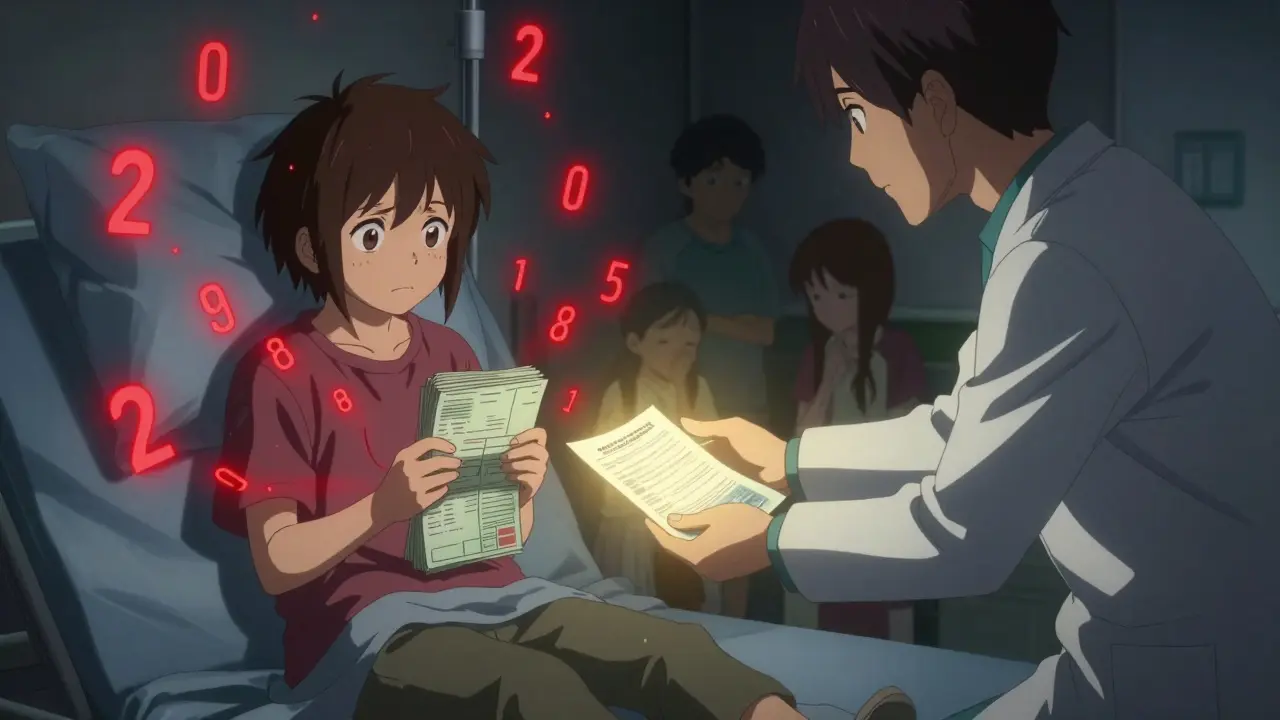
When you’re fighting cancer, the last thing you should be worrying about is how to pay for treatment. But for too many people, the cost of surviving cancer becomes a second illness-one that doesn’t show up in scans or blood tests, but in bank statements, missed rent payments, and sleepless nights. This is financial toxicity: the crushing weight of medical bills that can turn cancer survival into a financial disaster.
What Exactly Is Financial Toxicity?
Financial toxicity isn’t just about being broke. It’s the emotional, psychological, and practical toll that cancer treatment costs take on patients and their families. The term was first used by researchers at Duke University in 2013, and since then, it’s been backed by hard data from the National Cancer Institute and major medical journals. It’s not just the price tag on a chemo drug-it’s the lost wages from missing work, the gas money to get to appointments, the insurance deductible you can’t afford, and the anxiety of choosing between buying medication and feeding your kids. Studies show that between 28% and 48% of cancer survivors face measurable financial hardship because of treatment. Even more-up to 73%-say they feel stressed about money because of their diagnosis. For low-income women with breast cancer, treatment can eat up 98% of their annual income. That’s not a typo. That’s real life for people who are already struggling.Why Is Cancer Care So Expensive?
Cancer treatments have gotten more effective, but they’ve also gotten way more expensive. New drugs like immunotherapies and targeted therapies can cost tens of thousands of dollars per month-and sometimes need to be taken for years. A single course of treatment can run over $100,000. Even with insurance, patients are left with high deductibles, copays, and coinsurance. Many plans now have high-deductible health plans (HDHPs), which mean patients pay more out of pocket before insurance kicks in. And it’s not just the drugs. There are hospital visits, lab tests, imaging scans, supportive care medications, travel, and time off work. For younger patients under 65, the problem is worse. They’re less likely to have savings, more likely to be raising kids, and often don’t have the same safety nets as Medicare beneficiaries. Older patients on Medicare still face high costs-half of them spend more than 10% of their income on cancer care.How Financial Toxicity Hurts Your Health
This isn’t just about money. It’s about survival. When people can’t afford their meds, they skip doses. They delay scans. They skip follow-ups. A 2017 survey found that 78% of oncologists had patients who changed or stopped treatment because of cost. That’s not just risky-it’s deadly. People experiencing financial toxicity report worse physical health, higher pain levels, more depression, and greater anxiety about cancer coming back. One study found that for some patients, the stress of medical bills felt worse than the physical side effects of treatment. And the damage doesn’t stop when treatment ends. Many survivors face ongoing costs for managing side effects, follow-up care, or secondary cancers. Financial toxicity can last for years-even decades.
Who’s Most at Risk?
Some groups are hit harder than others:- Low-income patients: Especially women with breast cancer, where treatment can cost nearly their entire yearly income.
- Younger adults (under 65): Fewer savings, less job security, and often underinsured.
- Patients with metastatic cancer: Treatments are longer, more frequent, and more expensive.
- People on high-deductible plans: Even with insurance, they pay more out of pocket before coverage starts.
- Those on newer therapies: Immunotherapies and precision drugs often cost 10x more than traditional chemo.
What Can You Do? Practical Steps to Manage Costs
You don’t have to face this alone. Here are real, actionable steps patients are using right now:- Ask for a financial navigator: Most major cancer centers now have financial navigators-trained staff who help you find assistance programs, apply for aid, and understand your bills. Ask your clinic if they have one. Studies show these programs reduce treatment abandonment by 30-50%.
- Apply for co-pay assistance: Organizations like the Patient Advocate Foundation and the Cancer Support Community offer grants to help with copays. In 2022 alone, one program gave out $327 million to 67,000 cancer patients.
- Check pharmaceutical assistance programs: Drug makers like Pfizer, Roche, and Merck offer free or discounted meds to qualifying patients. In 2021, these programs helped 1.8 million people with $12.8 billion in support.
- Request a payment plan: Hospitals often have interest-free payment plans. Don’t assume you can’t afford it-ask. Many will work with you if you’re upfront.
- Look into state programs: California’s 2022 Cancer Drug Affordability Act requires drugmakers to disclose pricing and justifies price hikes. Other states are following. Check your state’s health department website.
- Use free or low-cost transportation: Organizations like the American Cancer Society offer free rides to treatment. Save on gas, time, and stress.
- Apply for disability or social services: If you can’t work, apply for SSDI or Medicaid. Even if you’re denied at first, appeal. Many approvals come after a second review.
How Doctors Are Changing the Game
Doctors are no longer ignoring the money problem. The American Society of Clinical Oncology (ASCO) now includes financial toxicity screening in its value-based care guidelines. They recommend using tools like the COST (Comprehensive Score for Financial Toxicity) questionnaire during appointments. This isn’t just paperwork-it’s a way to catch problems early. A 2022 Mayo Clinic study found that using these tools increased identification of at-risk patients by 45%. That means more people get help before they’re in crisis. The National Comprehensive Cancer Network (NCCN) updated its 2023 guidelines to include financial assessment as part of standard survivorship care. That’s huge. It means financial health is now seen as part of medical care.What’s Changing in the Future?
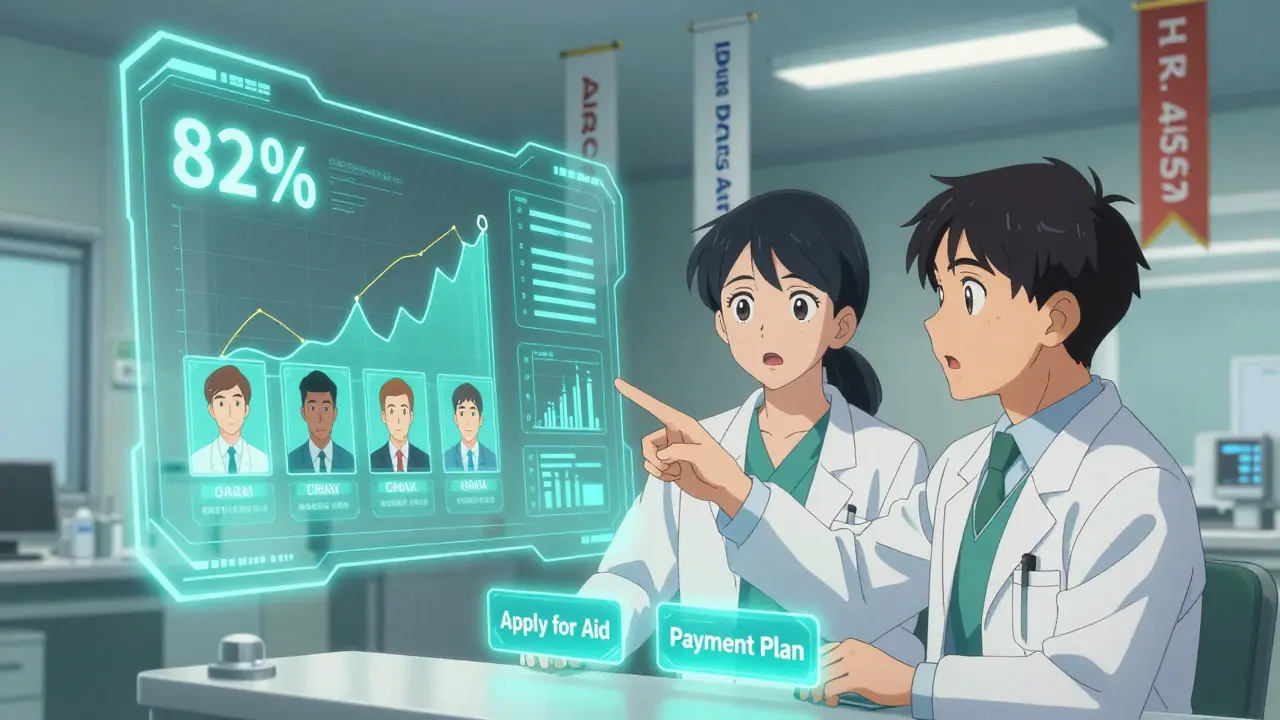
Change is coming, but it’s slow. Here’s what’s on the horizon:- AI prediction tools: A 2023 study in JAMA Internal Medicine showed AI can predict who’s at risk for financial toxicity with 82% accuracy by looking at income, insurance, and treatment type. This lets clinics step in before patients hit crisis mode.
- Legislation: The Cancer Drug Parity Act (H.R. 4553), reintroduced in 2023, would require insurance to charge the same copay for oral drugs (taken at home) as IV drugs (given in clinics). Right now, oral drugs often cost way more-forcing patients to pay hundreds or thousands extra each month.
- More funding: The American Cancer Society is investing $15 million between 2023 and 2025 into research and support programs for financial toxicity.
- Wider screening: Dr. Zafar from Duke predicts that by 2025, 75% of NCI-designated cancer centers will have formal financial screening programs. That’s up from 35% in 2022.
Final Thought: You’re Not Alone
Cancer is hard enough. You shouldn’t have to choose between your health and your home. Financial toxicity is a system failure-not your fault. But you have power. Ask for help. Talk to your nurse, your social worker, your doctor. Use the tools that exist. Apply for every program you qualify for. Even small grants can make a difference. This isn’t about being brave. It’s about being smart. And you deserve care-not just medical care, but financial care too.What is financial toxicity in cancer care?
Financial toxicity is the financial burden and emotional stress caused by the cost of cancer treatment. It includes out-of-pocket expenses like copays, medications, and travel, as well as lost income and debt. It’s recognized by the National Cancer Institute as a serious side effect of cancer care that affects quality of life and treatment outcomes.
How common is financial toxicity among cancer patients?
Between 28% and 48% of cancer survivors experience measurable financial hardship, while up to 73% report feeling financial stress. One in seven non-elderly patients spends at least 20% of their income on cancer care. For low-income women with breast cancer, treatment can cost up to 98% of their annual income.
Can financial toxicity affect cancer treatment outcomes?
Yes. Patients facing financial stress are more likely to skip doses, delay appointments, or stop treatment entirely. Studies show this leads to worse survival rates, more symptoms, higher pain levels, and increased anxiety. Financial toxicity is now considered as harmful to health as physical side effects like nausea or fatigue.
What programs help pay for cancer treatment costs?
Several programs exist: Patient Advocate Foundation’s Co-Pay Relief Program, pharmaceutical manufacturer assistance programs, state-funded aid, hospital payment plans, and nonprofit organizations like the American Cancer Society. In 2022, one co-pay program provided $327 million in aid to 67,000 patients. Drugmakers also gave $12.8 billion in support to 1.8 million people in 2021.
How can I find a financial navigator at my cancer center?
Ask your oncology nurse, social worker, or clinic receptionist if your center has a financial navigator. Most major cancer centers now offer this free service. They help you apply for grants, understand insurance bills, and connect with assistance programs. Studies show patients who use navigators are 30-50% less likely to stop treatment because of cost.
Is there help for transportation and housing during treatment?
Yes. The American Cancer Society offers free rides to treatment through its Road To Recovery program. Some local nonprofits and religious groups provide housing near treatment centers for patients traveling long distances. Ask your financial navigator or social worker-they often have lists of local resources.
What should I do if I can’t afford my cancer medication?
Don’t skip doses. Talk to your doctor immediately. They can help you switch to a lower-cost generic, apply for a patient assistance program, or connect you with a financial navigator. Many drugmakers offer free meds to qualifying patients. You can also call the Patient Advocate Foundation or check your state’s prescription assistance programs.
Are there laws to make cancer drugs more affordable?
Yes. California’s 2022 Cancer Drug Affordability Act requires drugmakers to justify price increases and report pricing data. The federal Cancer Drug Parity Act (H.R. 4553), reintroduced in 2023, would require insurers to charge the same copay for oral and IV cancer drugs-closing a major cost gap. More states are considering similar laws.

Write a comment
Your email address will not be published.
Recent Posts
-
 How to Recognize Unsafe Medication Advice on Social Media December 10, 2025




10 Comments
This hit me hard. My mom went through breast cancer last year and we had to sell her car just to keep up with the copays. No one talks about this enough.
She cried more over the bills than the diagnosis.
Let me tell you something-this isn’t just an American problem. I’m from the UK and we’ve got the NHS, but even then, people are skipping chemo because they can’t afford the train fare to the hospital or the parking fees. The system’s broken everywhere.
It’s not about healthcare. It’s about capitalism pretending to care.
I work in oncology admin. We have financial navigators, but most patients don’t know to ask. They’re too overwhelmed. The system assumes you’re proactive when you’re barely breathing.
Just asking for help feels like admitting defeat. It shouldn’t be that way.
Oh here we go. Another sob story about rich drug companies. Wake up. The real problem is the government letting pharma get away with price gouging. Why aren’t we nationalizing drug manufacturing? Why are we letting CEOs buy yachts while people choose between insulin and rent?
It’s not a coincidence-it’s intentional.
It is deeply troubling, and frankly, morally indefensible, that in the wealthiest nation on Earth-a nation that spends more per capita on healthcare than any other industrialized country-individuals are forced to make life-or-death decisions based on their bank account balance. This is not a failure of individual responsibility; it is a systemic collapse of ethical governance, where profit motives have completely eclipsed the Hippocratic Oath. The fact that we still tolerate this as a society reveals a profound moral bankruptcy that extends far beyond the walls of any hospital.
And yet, we continue to elect politicians who take donations from Big Pharma while pretending to care about ‘patient outcomes.’ The hypocrisy is staggering.
Why are we paying for this? We got the VA for vets, why not a cancer care fund? Tax the rich, fund the sick. Simple.
But nah, let’s keep giving tax breaks to CEOs who don’t even pay their workers enough to afford insurance.
USA is a joke sometimes.
my friend’s aunt skipped her last chemo because she had to choose between her meds and her daughter’s college fund. she’s dead now. and the company that made the drug? posted record profits last quarter. i’m not mad. i’m just disappointed.
and no, i’m not crying. i’m just typing with my face in my hands.
if you’re reading this and you’re going through this-please, please reach out. you’re not alone. i’ve been there. my sister got pancreatic cancer last year. we used the Patient Advocate Foundation, got free rides, got her meds for $5 a month. it’s not magic, it’s just knowing where to look.
💙 you deserve care. not just survival. care.
Okay, but let’s be real-how many of these ‘assistance programs’ actually work? I’ve seen people spend 6 months filling out forms, getting denied, appealing, getting denied again, then dying before they get a dime.
And the ‘financial navigators’? Half of them are overworked interns who’ve never had to pay a bill in their life. They’re nice, sure, but they can’t fix a broken system with a clipboard.
And don’t even get me started on the drug companies’ ‘assistance programs’-they only help if you’re under 200% of the poverty line and you’re not on Medicaid and you didn’t get a letter from your insurance company that says ‘we’re denying your claim because your tumor isn’t in the approved list’-which, by the way, changes every month.
This isn’t help. It’s a labyrinth designed to make you give up before you even start.
this is why we need to stop pretending america is a country that cares about people