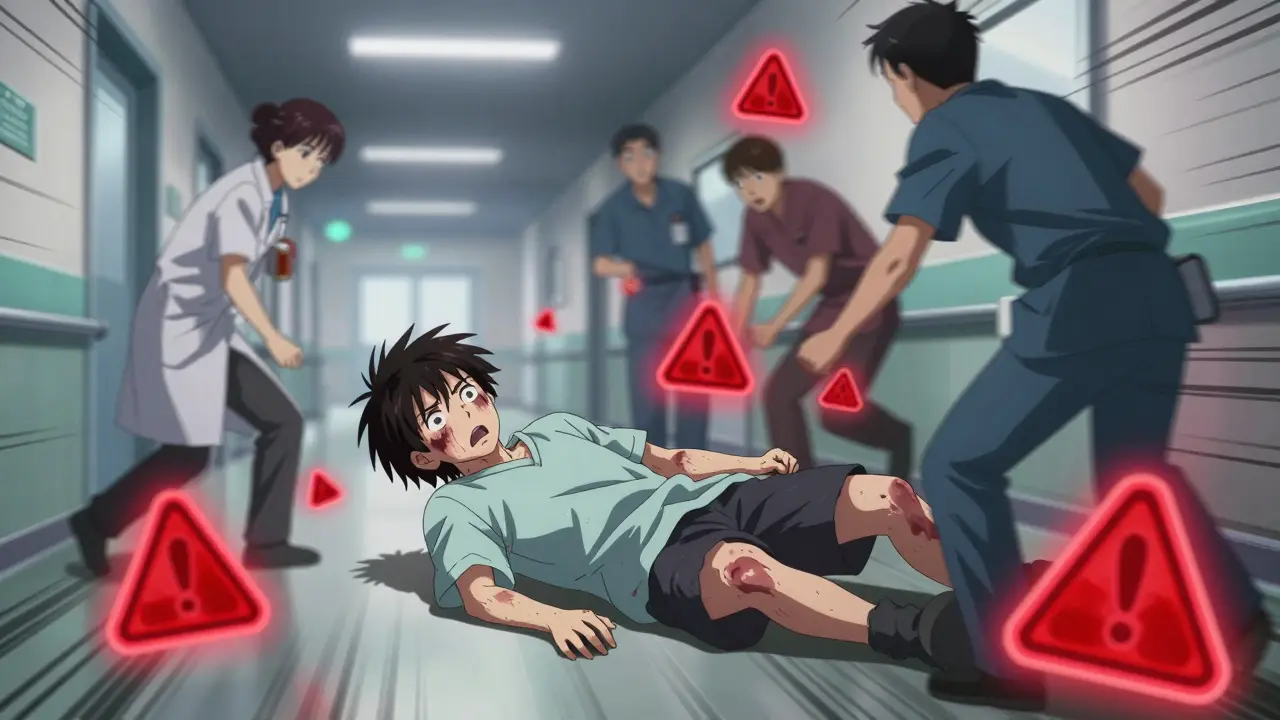
When you feel like you’re dying - not from a bad day, not from stress, but from something deep inside your body screaming for help - that’s often sepsis. It doesn’t always start with a high fever or a wound. Sometimes, it starts with just a feeling: sepsis is the body’s extreme, dangerous response to an infection, and it kills 11 million people worldwide every year. If caught early, survival rates jump dramatically. But if it’s missed, even by a few hours, the chances of dying rise fast. This isn’t rare. It’s common. And it’s urgent.
What You Need to Know Before It’s Too Late
Sepsis doesn’t wait for a diagnosis. It moves fast. The first signs aren’t always obvious, but they’re consistent enough to recognize if you know what to look for. The Sepsis Alliance’s TIME mnemonic helps: Temperature (too high or too low), Infection (something’s wrong, even if you can’t name it), Mental decline (confusion, trouble waking), and Extra illness (that gut feeling: “I feel like I might die”). More than half of adults with sepsis say they’ve never felt pain like this before. Sixty-seven percent describe it as the worst pain they’ve ever had - worse than a broken bone, worse than childbirth. That’s not exaggeration. That’s data from patient surveys. You might also notice skin that’s pale, grey, or blotchy, especially around the lips or fingertips. In children, the skin can turn blue or mottled. A rash that doesn’t fade when you press a glass against it? That’s a red flag, though it only appears in about 15% of cases. Breathing fast - more than 22 breaths per minute - is another major sign. So is extreme sleepiness. One in two patients can’t be woken up properly. Slurred speech? That’s common too. In emergency rooms, 45% of adults with sepsis show signs of confusion or trouble speaking. For babies under three months, watch for no wet diaper in over 12 hours, or being so limp they don’t respond when you try to hold them. Their temperature might be high, but sometimes it’s dangerously low. Don’t wait for a fever. If your child is unusually quiet or floppy, get help now.What Happens When You Get to the Hospital
Once you’re in the ER, time becomes the most critical factor. Every hour without antibiotics raises your chance of death by 7.6%. That’s why hospitals use the “Sepsis Six” bundle - six actions that must be done within one hour of suspicion. It’s not optional. It’s protocol. First: blood cultures. They take samples from your veins to find out what’s causing the infection. This must happen before antibiotics are given, and ideally within 30 minutes. Second: broad-spectrum antibiotics. Doctors start you on piperacillin-tazobactam or meropenem right away, even before they know the exact germ. Third: fluids. You’ll get 30 milliliters per kilogram of your body weight through an IV - that’s about 2 to 3 liters for most adults. This helps restore blood pressure and keeps your organs from shutting down. Fourth: check your lactate. This chemical builds up when your body’s tissues aren’t getting enough oxygen. A level above 4 mmol/L means your risk of death is 40% higher. Fifth: oxygen. If your blood oxygen drops below 94%, you’ll get it through a mask or nasal tube. Target is 94-98%. Sixth: track your urine. Doctors want to see at least 0.5 mL per kilogram of body weight every hour. No urine for hours? That’s a sign your kidneys are struggling.What If It Gets Worse?
If your blood pressure stays low even after fluids, you’re in septic shock. That’s when your body can’t maintain circulation on its own. At this stage, doctors start vasopressors - drugs that squeeze your blood vessels to raise pressure. Norepinephrine is the first choice. It’s given through an IV, slowly adjusted until your mean arterial pressure hits 65 mmHg. That number isn’t random. It’s the minimum pressure your organs need to survive. They’ll also look for the source. Was it a lung infection? A burst appendix? A catheter left in too long? Doctors need to remove or drain the infection source within 6 to 12 hours. That might mean surgery, drainage, or removing a device. If you’re still crashing, they might give you hydrocortisone - a steroid that helps your body respond better to stress. It doesn’t save lives on its own, but it can shorten your time in the ICU by nearly two days.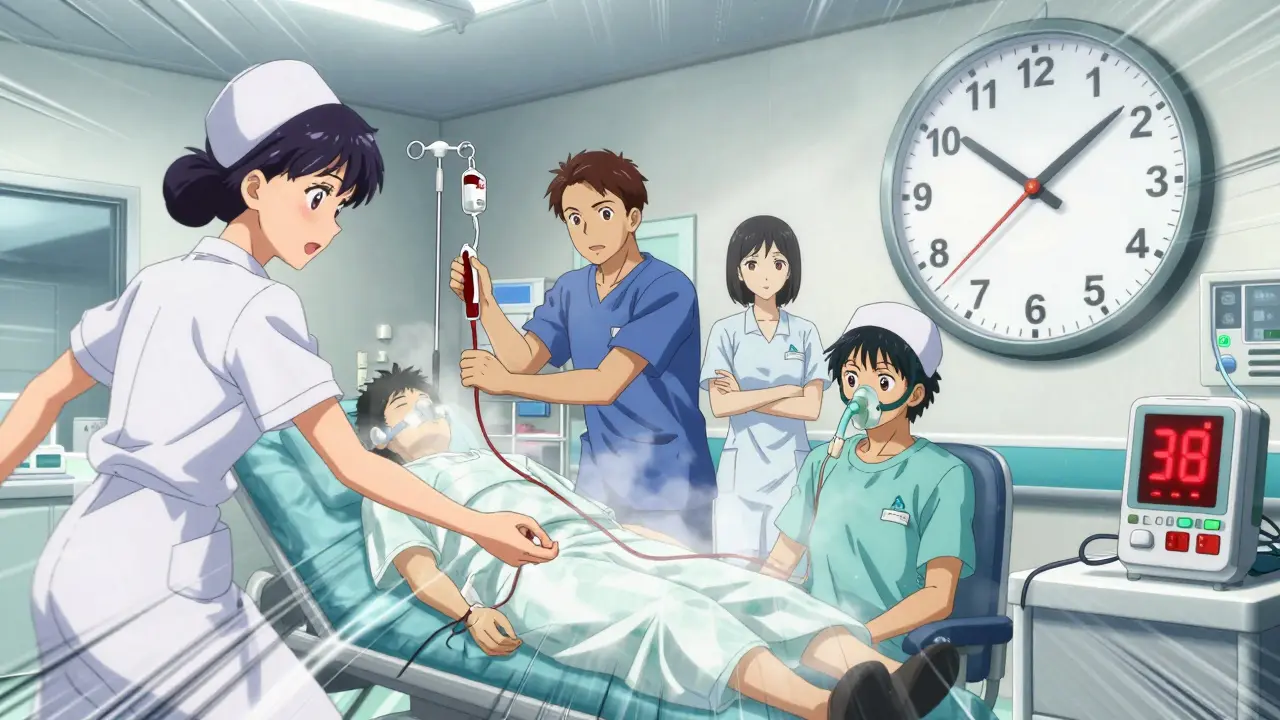
Why Speed Saves Lives
Hospitals that follow the one-hour bundle consistently see mortality drop from nearly 27% to under 20%. A 2020 study showed that when 90% of staff hit these targets, survival improved dramatically. One hospital in New York cut sepsis deaths by 30% in two years just by training nurses to spot early signs and push for faster action. New tools are helping too. In 2023, the FDA approved the Accelerate PhenoTest BC Kit - a machine that identifies bacteria and tells doctors which antibiotics will work in just 90 minutes. Before, it took two to three days. That delay meant guessing with broad antibiotics, which can lead to resistance. Now, doctors can narrow treatment faster, reducing side effects and saving time.What Happens After You Survive
Surviving sepsis doesn’t mean you’re back to normal. Sixty percent of survivors still feel exhausted six months later. Nearly half have trouble breathing during light activity. One in three still has chronic body aches. Some can’t walk without help. One in four gets readmitted within 30 days - often because of another infection or heart problems. Rehabilitation matters. Starting physical therapy within 72 hours of leaving the ICU reduces long-term disability by 22%. That’s huge. It means people can return home, work, or care for their families instead of staying dependent. But most don’t get it. Only a small fraction of hospitals have formal post-sepsis programs. The cost is heavy too. In the U.S., the average hospital stay for sepsis runs $18,000. Add in follow-up care, medications, and rehab, and it’s another $7,200 a year per person. These aren’t just numbers. They’re families losing income, savings, and stability.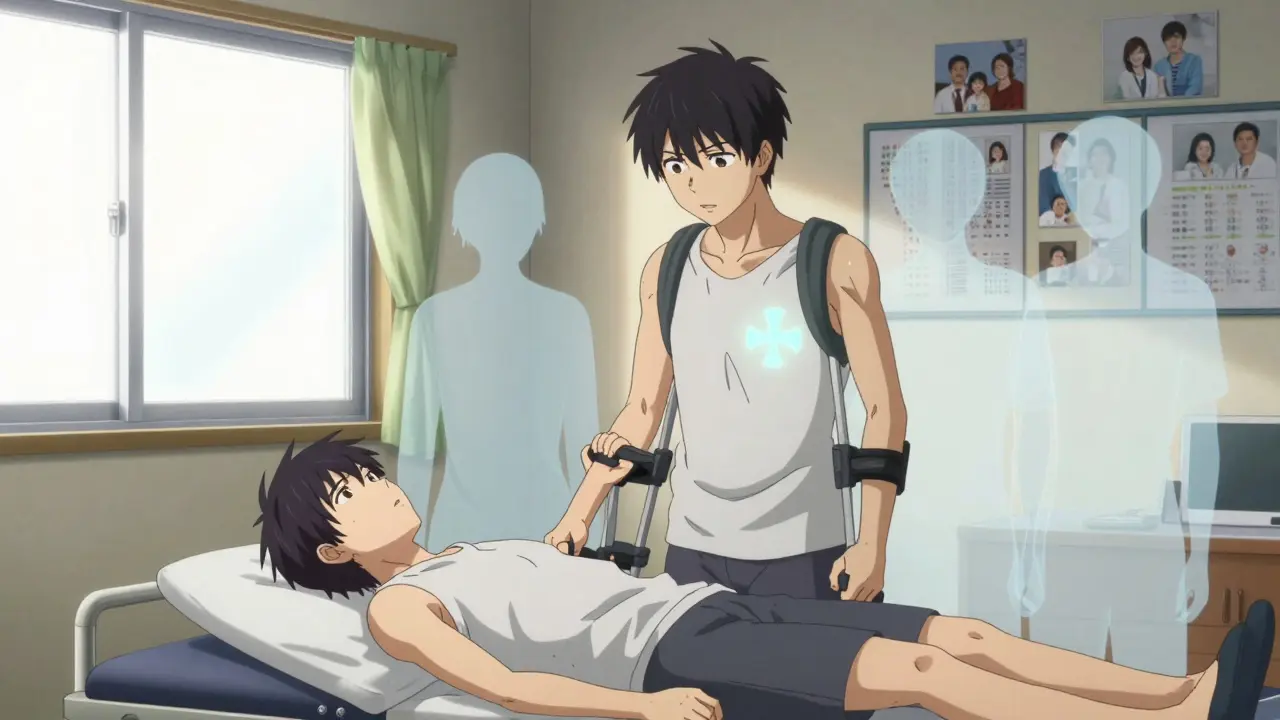
Why Some People Still Don’t Make It
Despite all the progress, disparities remain. Black patients in U.S. hospitals wait 18% longer for antibiotics than white patients. Their death rates are 23% higher. This isn’t about individual care - it’s about systemic gaps in recognition, triage, and response. It’s about who gets heard when they say, “I feel like I might die.” Global efforts are growing. Eighty-four countries now have national sepsis action plans - up from just 42 in 2017. But awareness still lags. Only 39% of people in the U.S. can name three sepsis symptoms. That’s why education matters. Not just for doctors. For you.If You Suspect Sepsis - Act Now
You don’t need to be a doctor to save a life. If someone has an infection and shows any of these signs - confusion, fast breathing, extreme pain, cold or blotchy skin, or that chilling feeling that something is terribly wrong - don’t wait. Don’t call your GP. Don’t wait to see if it gets better. Call emergency services immediately. Say: “I think this is sepsis.” It’s not panic. It’s precision. Sepsis doesn’t care if you’re young, old, healthy, or sick. It only cares if you’re recognized in time. The difference between life and death can be measured in minutes.What are the first signs of sepsis?
The earliest signs include fever or abnormally low body temperature, confusion or trouble waking up, extreme pain or discomfort, rapid breathing (over 22 breaths per minute), and skin that looks pale, grey, or blotchy. Many people describe feeling like they might die - a sense of overwhelming illness that doesn’t match a typical infection.
Can sepsis be treated at home?
No. Sepsis is a medical emergency that requires hospital care. Antibiotics, IV fluids, and monitoring are essential and cannot be safely administered at home. Delaying hospital care significantly increases the risk of death.
How long does it take to recover from sepsis?
Recovery varies. Some people improve in days, but many face long-term effects. Sixty percent of survivors report lasting fatigue for six months or more. Others struggle with breathing, muscle weakness, or cognitive issues like memory loss. Full recovery can take a year or longer, and some never fully return to their pre-sepsis health.
Is sepsis contagious?
No, sepsis itself is not contagious. It’s your body’s dangerous response to an infection. But the infection that triggers it - like pneumonia, a UTI, or a skin wound - can be contagious. Preventing the original infection helps prevent sepsis.
What’s the difference between sepsis and septic shock?
Sepsis is organ dysfunction caused by infection. Septic shock is a more severe form where blood pressure drops dangerously low, even after giving fluids. It requires powerful drugs called vasopressors to keep blood flowing to vital organs. Mortality rates are much higher in septic shock.
Can sepsis come back after treatment?
Yes. About 25% of survivors are readmitted within 30 days. Common reasons include recurring infection, weakened immunity, or complications like pneumonia or heart issues. Follow-up care and monitoring are critical after discharge.

Write a comment
Your email address will not be published.
Recent Posts
-
 Betamethasone for Urticaria: How It Works, Benefits & Risks September 14, 2025
 -
 How to Use Text Message Reminders for Medication Schedules April 22, 2026
 -
 Sepsis: Recognizing Early Warning Signs and How Hospitals Treat It January 26, 2026

12 Comments
Wow. Just... wow. I had no idea sepsis was this common. My aunt died from it last year and they told her it was 'just a bad flu' for three days. She was 52. Healthy. No pre-existing conditions. Now I know she was screaming for help and no one listened. This post should be mandatory reading in every doctor's office.
I'm not even mad anymore. I'm just heartbroken.
they dont want you to know this but sepsis is just a cover for pharmaceutical companies to sell more antibiotics. they make billions off it. the real cause? 5G towers messing with your immune system. i know its wild but think about it - why do they rush you to the er if its really just an infection? because they need you hooked on iv drugs and hospital bills. the ‘sepsis six’? total scam. i’ve seen it. they just wanna drain your bank account. also, your phone is listening to you right now.
ask yourself - who benefits?
I've worked in ERs for 22 years and this is one of the most accurate summaries I've ever read. The TIME mnemonic is gold. I've had nurses walk in and say 'I don't know why but this guy feels dead' and they're right 80% of the time. That gut feeling? That's not intuition, that's pattern recognition trained by thousands of cases.
And the part about lactate? That's the silent killer. You can have a patient who looks fine, heart rate 110, temp normal, but if lactate is above 4, you're racing against time. We used to wait for labs. Now we treat on suspicion. That's the shift. No more waiting for perfect numbers. The body doesn't wait. Neither should we.
Also the rehab part - I've seen people come back six months later with their whole life gone. No job. No walking. No memory. And no one talks about it. We fix the infection but forget the person.
And yes, disparities exist. I've watched black patients wait an extra 40 minutes because they were 'calm' and 'not complaining'. That's not clinical. That's bias. We need to fix that. Not just protocols. People.
Everything you said is true. But here's what they won't tell you - sepsis is being weaponized. The FDA approved that new test? It's not about saving lives. It's about controlling who gets treated. The system already knows who's 'high risk' - poor, elderly, minority. They're the ones who get the fast track. Everyone else? They get the 'wait and see' treatment until it's too late. This isn't medicine. It's triage by algorithm.
And the 'one hour bundle'? It's only mandatory in hospitals that get federal funding. Private clinics? They can wait. They're not accountable. That's why rural deaths are 3x higher. You think this is about science? It's about money and power.
They're not trying to save you. They're trying to manage the crisis before it hits the headlines.
Bro. I had sepsis in 2020. Thought it was the flu. Slept for 18 hours straight. Woke up and couldn't stand. My wife dragged me to the ER. They gave me antibiotics in 22 minutes. I was in ICU for 11 days. Lost 40 pounds. Still have nightmares. But I'm alive.
So if you're reading this and you feel like you're dying - even if you don't have a fever - go. Now. Don't wait. Don't text your cousin. Don't google it. Just go. Your life isn't worth the wait.
And if you're a doctor? Stop waiting for perfect numbers. Trust the vibe. I'm alive because my wife trusted hers.
While the information presented is largely accurate, the term 'sepsis' is frequently misapplied in popular discourse. The Sepsis Alliance's TIME mnemonic, while memorable, lacks formal diagnostic validation and conflates symptoms with clinical criteria. The qSOFA and SOFA scores remain the gold standard for objective assessment.
Furthermore, the assertion that 'every hour without antibiotics raises mortality by 7.6%' is derived from a single observational study with significant confounding variables. The actual mortality increase is closer to 4-5% in multivariate analyses.
Additionally, the claim that '45% of adults show confusion' is misleading - this refers to altered mental status, which is not exclusive to sepsis and can result from hypoxia, metabolic derangements, or medication interactions.
Accuracy matters. Oversimplification, even with good intent, erodes public trust in medical science.
Thank you for this. My mom survived sepsis. She still cries when she talks about the ICU. I didn’t know what to do. Now I do. 🙏
THIS IS WHY WE NEED TO TRAIN EVERY SINGLE PERSON IN THE COUNTRY TO RECOGNIZE SEPSIS. NOT JUST DOCTORS. NOT JUST NURSES. EVERYONE. YOU COULD SAVE YOUR MOM. YOUR DAD. YOUR FRIEND. YOUR NEIGHBOR.
STOP WAITING FOR PERMISSION TO ACT. IF SOMETHING FEELS WRONG - YELL. SCREAM. CALL 911. SAY 'SEPSIS'.
WE’RE NOT JUST TALKING ABOUT MEDICINE HERE. WE’RE TALKING ABOUT HUMANITY. AND WE’RE FAILING.
SHARE THIS. NOW.
Man, I’m from Delhi and we’ve seen this in slums - people with fever for days, no money for hospital, just sipping ginger tea and praying. Then one day, they’re gone. No one calls it sepsis. They say ‘died suddenly’. But it’s not sudden. It’s silent. And it’s preventable.
My cousin’s daughter got it from a cut on her foot. We didn’t know. Now she walks with a limp. But she’s alive because her uncle drove her 80 miles to a public hospital. No fancy machines. Just antibiotics and fluids. And someone who refused to wait.
This isn’t just a Western problem. It’s a human problem. And we need to scream it louder in places where no one’s listening.
Another liberal panic piece. Sepsis? Yeah, it exists. But the real crisis is how hospitals are forcing people into expensive treatments they don’t need. I’ve seen people get pumped full of IV fluids for a simple UTI. They’re just milking the system.
And this ‘one-hour bundle’? More bureaucracy. More paperwork. More red tape. You don’t need 6 steps to treat an infection. You need common sense. And less government meddling.
Also, why are we always talking about racial disparities? Is this about medicine or politics? Just treat people. Not demographics.
You people are so naive. You think hospitals are trying to save lives? They’re trying to save their own reputations. The moment you say ‘I think this is sepsis’ - they panic. They start throwing money at it. Because if you die, they get sued. Not because they care about you - because they’re scared of liability.
And don’t get me started on the ‘rehab’ part. They’ll discharge you with a pamphlet and tell you to ‘rest’. Meanwhile, your insurance won’t cover PT. So you’re left broken, alone, and blamed for not ‘recovering properly’. This isn’t healthcare. It’s a performance.
And you’re all just cheering it on like it’s a TED Talk.
Andrew, you're technically right about the SOFA score - I use it every shift. But here's the thing: in the real world, patients don't show up with perfect labs. They show up with a wife saying 'he's not himself'. That's the moment we act. You can't wait for a score when someone's skin is turning grey. The science supports the protocol. The protocol saves lives. The math is just the map. The patient is the territory.
And Desaundrea - you're wrong. We don't treat demographics. We treat people. And if 23% more black patients are dying? That's not politics. That's a failure. And we fix it by listening harder, not by pretending it doesn't exist.
This isn't about fear. It's about responsibility.