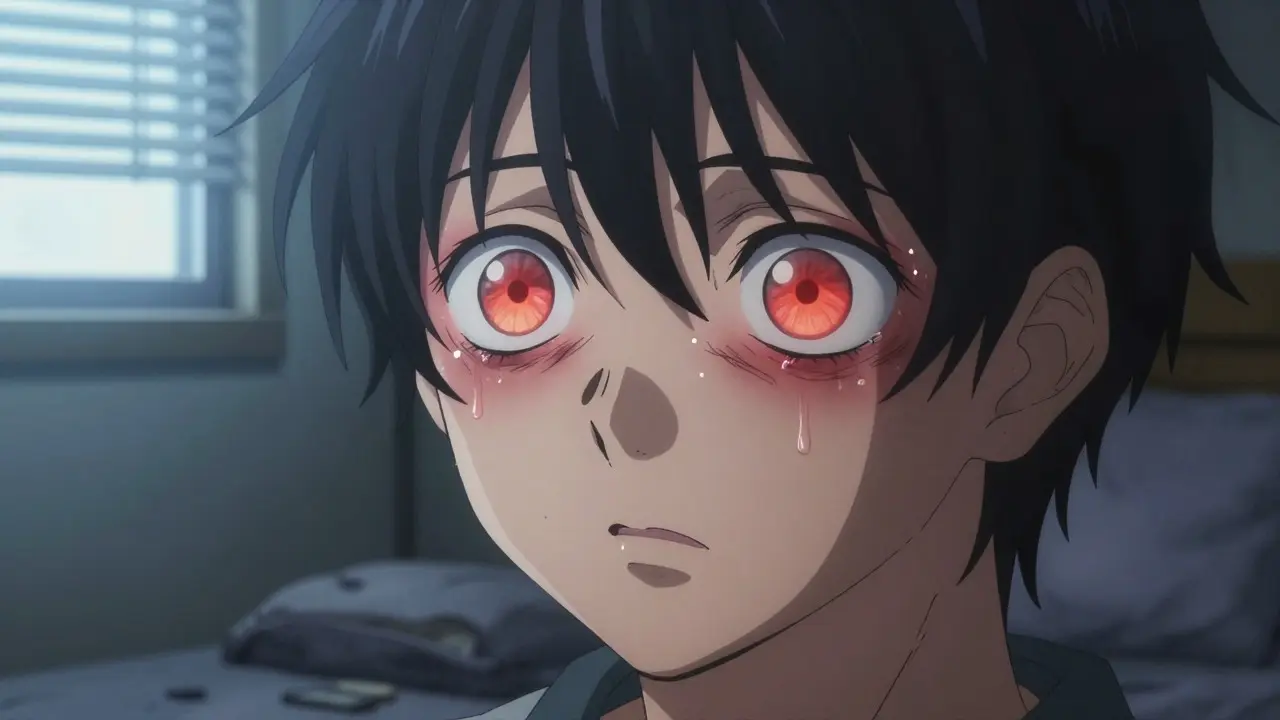
Imagine waking up one morning to find your eyes feeling gritty, swollen, and staring straight out of your sockets. For many people living with Thyroid Eye Disease, also known as Graves' ophthalmopathy or thyroid-associated orbitopathy, this isn't just a cosmetic issue-it's a daily battle for comfort and vision. This autoimmune condition occurs when the immune system mistakenly attacks the muscles and fat tissues behind the eyes, causing inflammation, swelling, and fluid buildup. If you have been diagnosed with Graves' disease, you are not alone; up to 50% of patients develop some form of TED, though clinically significant cases occur in about 25-30% of individuals. The good news is that treatment options have evolved dramatically, moving from simple lubrication to targeted biologics that address the root cause.
Understanding the Symptoms and Severity
Before diving into treatments, it helps to recognize what is actually happening in your eyes. TED symptoms can range from mild irritation to vision-threatening complications. According to data from the Cleveland Clinic, the most common complaints include a gritty sensation (reported by 78% of patients), light sensitivity (65%), and pain behind the eyes during movement (52%). You might also notice redness, dry eyes, or excessive tearing. In more severe cases, the eyes may bulge forward, a condition called proptosis, which affects 31% of patients severely. Double vision, or diplopia, occurs in about 28% of cases due to muscle restriction.
Doctors use the Clinical Activity Score (CAS) to measure how active the disease is. A score of 3 or higher indicates active inflammation, which is the critical window for intervention. During this active phase, typically lasting 6 to 24 months, the tissue behind the eyes is inflamed and responsive to medical therapy. Once the disease becomes inactive or fibrotic, the changes become permanent, often requiring surgery rather than medication. Recognizing this timeline is crucial because early action prevents long-term structural damage.
Steroids: The First Line of Defense
For years, corticosteroids were the go-to treatment for active TED. They work by suppressing the immune system's inflammatory response. Today, intravenous pulse methylprednisolone is the preferred method over oral prednisone. Why? Because IV administration delivers high doses directly to the bloodstream, reducing systemic side effects while achieving better local control. The standard regimen involves 500 mg weekly for six weeks, followed by 250 mg weekly for another six weeks. This approach achieves a 60-70% response rate in moderate-to-severe cases.
However, steroids are not without risks. Oral prednisone, used for milder cases, carries a 25-30% relapse rate after tapering. Patients often experience weight gain, with an average increase of 8.2 kg, along with glucose intolerance and increased osteoporosis risk. To mitigate liver toxicity, guidelines recommend limiting the cumulative IV steroid dose to 4.5-5.0 grams. If you are prescribed steroids, close monitoring of blood sugar, bone density, and liver function is essential. While effective, steroids treat the symptom (inflammation) rather than the underlying driver, which is why new therapies are emerging.
The Rise of Biologics: Targeted Therapy
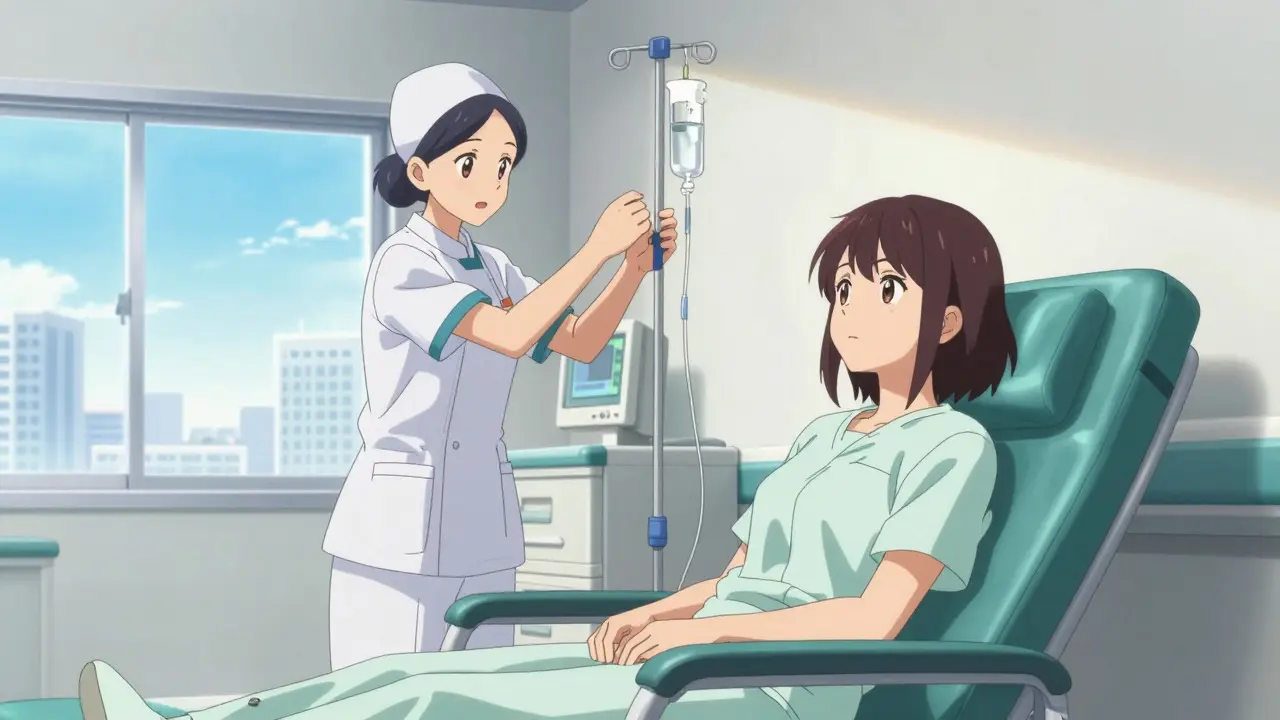
The landscape changed significantly with the FDA approval of Teprotumumab (brand name Tepezza) in January 2020. Unlike steroids, teprotumumab is a fully human monoclonal antibody that targets the insulin-like growth factor-1 receptor (IGF-1R). This receptor is overexpressed in the orbital tissue of TED patients, making it a precise target for stopping the disease process. In the pivotal OPTIC clinical trial, published in the New England Journal of Medicine, teprotumumab demonstrated a 71% response rate for proptosis reduction compared to just 20% in the placebo group. It also improved double vision in 59% of patients versus 26% on placebo.
The treatment course involves eight infusions: an initial dose of 10 mg/kg, followed by 20 mg/kg every three weeks. While highly effective, the cost is substantial-approximately $360,000 per full course in the United States. Access remains a barrier, with 42% of patients reporting insurance denials and an average 47-day delay for prior authorization. Despite these hurdles, patient satisfaction is higher with biologics (74%) compared to traditional steroids (58%), primarily due to fewer systemic side effects like weight gain and mood changes. Other biologics, such as rituximab and tocilizumab, are under investigation, but teprotumumab currently holds the strongest evidence base.
Comparing Treatment Options
Choosing the right treatment depends on disease severity, activity status, and individual health factors. Here is a breakdown of the primary interventions:
| Treatment | Mechanism | Response Rate | Key Side Effects | Best For |
|---|---|---|---|---|
| Artificial Tears | Lubrication | 85% symptom relief (mild) | Minimal | Mild, inactive TED |
| IV Methylprednisolone | Anti-inflammatory | 60-70% | Weight gain, glucose issues, liver stress | Active moderate-to-severe TED |
| Teprotumumab | IGF-1R inhibition | 71% (proptosis) | Muscle spasms, hearing changes, hyperglycemia | Active moderate-to-severe, steroid-refractory |
| Orbital Decompression | Surgical removal of bone/fat | 2-5 mm proptosis reduction | Diplopia, sinusitis, infection | Inactive, stable TED with persistent bulging |

Practical Management and Lifestyle Factors
Medical treatment works best when paired with smart lifestyle adjustments. Smoking is the single biggest modifiable risk factor, increasing TED risk by 7.7 times. If you smoke, quitting is arguably the most important step you can take to prevent progression. Additionally, selenium supplementation (200 mcg daily) has shown modest benefits in mild cases, improving quality of life scores by 23% in a Cochrane review. While not a cure, it can help manage minor symptoms alongside artificial tears.
For those experiencing double vision, prism glasses can be a temporary fix, helping 60% of patients align their vision. However, if muscle involvement exceeds 15 prism diopters, prisms become ineffective, and strabismus surgery may be necessary later. Timing matters: orbital decompression surgery is typically performed only after the disease has been inactive for at least six months. Operating too early risks the inflammation returning, undoing the surgical gains. Your care team should consist of an endocrinologist, an ophthalmologist, and potentially an orbital surgeon to coordinate this complex timeline.
Frequently Asked Questions
Can thyroid eye disease happen without Graves' disease?
Yes. While TED is most commonly associated with Graves' disease, it can also occur in individuals with normal thyroid function (euthyroid) or even hypothyroidism. The autoimmune mechanism targeting the orbit is distinct from the thyroid gland itself, so thyroid hormone levels do not always correlate with eye disease severity.
Is teprotumumab a permanent cure for TED?
Teprotumumab effectively halts the active inflammatory phase and reduces swelling, but it is not considered a permanent cure in the sense that the disease cannot return. Most patients see sustained improvement, but long-term data beyond two years is still being collected. Some patients may require additional treatments if the disease reactivates, though recurrence rates appear lower than with steroids alone.
Why do doctors prefer IV steroids over oral prednisone?
IV methylprednisolone allows for higher peak concentrations in the blood with less total drug exposure over time, reducing the risk of systemic side effects like weight gain and bone loss. It also avoids the gastrointestinal irritation associated with high-dose oral steroids and provides a more predictable therapeutic effect in the orbit.
How long does it take to see results from biologic therapy?
Most patients begin to notice improvements in swelling and proptosis within the first few infusions of teprotumumab. Significant changes are typically observed by the fourth to sixth infusion. Full assessment of the treatment response usually happens after the final eighth infusion, which takes about six months to complete.
What role does smoking play in TED progression?
Smoking is a major risk factor, increasing the likelihood of developing TED by nearly eight times. It also makes the disease more severe and less responsive to treatment. Quitting smoking is strongly recommended for all patients with Graves' disease to minimize the risk of eye complications.

Write a comment
Your email address will not be published.
Recent Posts
-
 How to Buy Cheap Generic Clomid Online Safely October 12, 2025
 -
 How and Where to Buy Bupropion SR Online: A 2026 Guide August 4, 2026


11 Comments
It is fascinating, and somewhat terrifying, to read about the sheer cost of this treatment; $360k for a course of infusions really does put things into perspective. The data on teprotumumab being more effective than steroids is encouraging, but the barrier to entry remains high.
Oh my gosh, I just got diagnosed last month and honestly? This feels like a lifeline! I was so scared that the only option was surgery or just suffering through the swelling forever. It is amazing that there are actually targeted drugs now that stop the inflammation at the source instead of just masking it. My doctor mentioned the IV steroids but didn't go into much detail about the side effects, so knowing about the weight gain risk is good to have in the back of my mind. I am going to print this out and bring it to my next appointment because I feel like I finally understand what is actually happening behind my eyes. The part about smoking increasing the risk by 7.7 times is super motivating for me to quit for real this time. I never realized how much the immune system attack on the orbit was distinct from the thyroid itself until now. It makes so much sense why some people have bad eye issues even when their thyroid levels look okay. Thank you for breaking down the CAS score too, I always felt confused about what 'active' disease meant versus just having permanent changes. I hope the insurance approval goes smoothly for everyone reading this because that 47-day delay sounds like an eternity when your vision is blurry!
The distinction between active and fibrotic phases is crucial. Timing is everything in autoimmune management.
so its just another way for pharma to bleed us dry right? i mean sure the drug works but who can afford 360k? in nigeria we dont even get access to basic meds sometimes so these fancy biologics are just for the rich west. typical. they find a cure and then price it out of reach. nice article though i guess
While the global disparity in healthcare access is undeniably a significant challenge, it is essential to recognize the breakthrough nature of IGF-1R inhibition. For those within reach of such therapies, the shift from palliative care to curative intent represents a monumental leap forward in ophthalmology and endocrinology alike. We must advocate for broader accessibility while celebrating the scientific achievement.
My goodness, the hearing changes as a side effect of Teprotumumab caught me completely off guard! I had no idea that targeting the IGF-1 receptor could affect auditory function. It really highlights how interconnected our systems are, doesn't it? One moment you are fighting for your sight, and the next you are monitoring your ears for tinnitus. It is quite dramatic, isn't it? But then again, if it saves your vision, maybe the ringing in your ears is a small price to pay. I just hope the doctors keep a close eye on that specific symptom during the infusion cycle.
I totally agree with the point about the timeline. Waiting six months for the disease to become inactive before considering surgery is such a long stretch, especially when you are dealing with double vision every single day. It feels like you are stuck in limbo where the medical treatment has done its job but the structural damage is still there. I wonder if there are any new surgical techniques coming up that might allow for earlier intervention without the risk of the inflammation returning. It would be great if the field could move faster on that front.
ok so the gritty feeling thing? yeah that is basically like having sand in your eye 24/7 which is wild. i loved the colorful description of the sockets staring out lol. also did anyone else notice the typo in the table header? no wait that was just me misreading it. anyway the selenium tip is kinda neat for the mild cases, cheap fix for big problems. love that we can just take a pill and maybe feel 23% better in life. not a cure but hey, free wins count. the part about prism glasses helping 60% of people is cool too, feels like a hack for the brain.
One must consider the philosophical implications of treating the symptom versus the cause. Steroids suppress the fire, but biologics attempt to remove the fuel. This distinction is not merely clinical; it is fundamental to how we approach chronic illness. By targeting the IGF-1 receptor, we are acknowledging that the body's architecture is under siege by a specific molecular error. To correct this error is to restore order. Therefore, the higher cost of biologics may be justified not just by efficacy, but by the principle of addressing root causes rather than managing consequences. It is a more elegant solution to a chaotic problem.
i think the biggest takeaway here is that early detection matters so much. if you catch it while the CAS score is high you have so many more options than if you wait until its fibrotic. its kind of scary how fast things can change from manageable to permanent. glad this info is out there for people who might not know what to look for yet
oh wow so the whole process takes like six months for the full course of infusions which is just... wow that is a long time to be waiting for results while your eyes are still swollen and painful and you are wondering if it is even working and then you have to deal with the insurance denials which apparently happen to almost half of the patients which is just absolutely ridiculous and infuriating because why should getting treated for a serious autoimmune condition be this hard and expensive and stressful and on top of that you have to worry about side effects like muscle spasms and hearing changes and hyperglycemia which is just adding insult to injury and i just feel like the system is broken because if it costs 360k dollars how is anyone supposed to afford that unless they have some crazy insurance plan or win the lottery or something and it just seems so unfair that the best treatment is the one that is hardest to get access to and i really hope that prices come down or that other countries figure out a way to make it more accessible because it just seems like a huge barrier to entry for people who really need it and it is exhausting just thinking about all the hoops you have to jump through just to get your eyes to stop bulging and your vision to clear up and it is such a relief to know that it actually works for most people but the journey to get there seems like a nightmare in itself and i just want to say to anyone reading this that you are not alone in this struggle and hopefully things get easier for you soon