Health & Wellness: Everyday Tips for Better Living
Feeling good starts with small, doable changes. At NaNUKE we break down the science so you can act on it without wading through jargon. Below you’ll find quick, evidence‑backed steps you can try today.
Managing Nighttime Swelling
Swollen legs can turn a good night’s sleep into a tossing‑and‑turning nightmare. The good news? A few habits can dramatically cut the puffiness that wakes you up.
First, raise your legs above heart level for 15‑20 minutes before bed. A simple pillow stack does the trick and helps gravity pull fluid back toward your core. Pair this with a relaxed sleeping position – avoid crossing your knees or tucking blankets tightly around your feet.
Compression socks aren’t just for athletes. Wearing a light, graduated pair in the evening can keep fluid from pooling while you rest. If you’re on diuretics or blood pressure meds, ask your doctor whether taking them earlier in the day reduces nighttime fluid build‑up.
Watch your evening fluid intake. A glass of water is fine, but large amounts of caffeine or alcohol can increase urine output and then trigger rebound swelling. And keep an eye out for red‑flag signs like sudden, painful swelling or skin changes – those need a medical check‑up fast.
Vitamin D for Respiratory Health
Chest congestion feels extra rough when your immune system is low on vitamin D. Research shows that adequate levels can lower the risk of respiratory infections and help clear mucus faster.
Most adults need 600‑800 IU per day, but people with limited sun exposure may benefit from 1,000‑2,000 IU. In New Zealand, a 15‑minute midday sun session a few times a week often supplies enough vitamin D, especially on clear days. If you’re mostly indoors, a quality supplement is a reliable backup.
Choose a supplement that lists “cholecalciferol” (vitamin D3) and avoids unnecessary fillers. Check the label for third‑party testing – it’s a simple way to know you’re getting what’s promised.
People most likely to see a boost include those with a history of frequent colds, older adults, and anyone with darker skin living in higher latitudes. Pair vitamin D with a balanced diet rich in zinc and vitamin C for an extra immune punch.
These two topics are just a snapshot of what you’ll find on NaNUKE. Whether you’re tackling swelling, boosting your vitamin D, or exploring other health questions, our drug monographs, dosing guides, and safety tips are built on current evidence.
Ready to try a tip? Start tonight by elevating those legs and jot down a quick plan for safe sun exposure tomorrow. Small steps add up, and you’ll feel the difference fast.

How Culture Shapes What We Accept - Even When It’s Generic
Culture shapes whether people accept new tools - even simple ones. Understanding cultural values like trust, authority, and risk tolerance can boost adoption by up to 47%. This is not about translation - it’s about design.

Psoriasis Triggers: How Stress, Infections, and Skin Barrier Damage Cause Flares
Psoriasis flares are often triggered by stress, infections, and broken skin barriers. Learn how these factors fuel the immune response and what practical steps you can take to reduce flares and regain control.

Future Practice Trends: How Provider Attitudes Are Changing in Healthcare
Healthcare providers are shifting from traditional models to patient-centered, tech-enabled care. AI, wearable data, and certified teams are reshaping how care is delivered-and who delivers it.

Step Counts and NEAT: How Daily Movement Burns Calories for Weight Management
Discover how daily movement like walking, standing, and climbing stairs-known as NEAT-burns more calories than you think. Learn how step counts really work and how to use them for smarter weight management.

Food Labels and Allergies: Hidden Allergens and Safety in 2026
Updated FDA guidelines in 2025 require clearer food labels for allergens like milk, eggs, and sesame. Hidden allergens in meat, alcohol, and shellfish still pose risks. Know what's changed-and what's not-so you can eat safely.
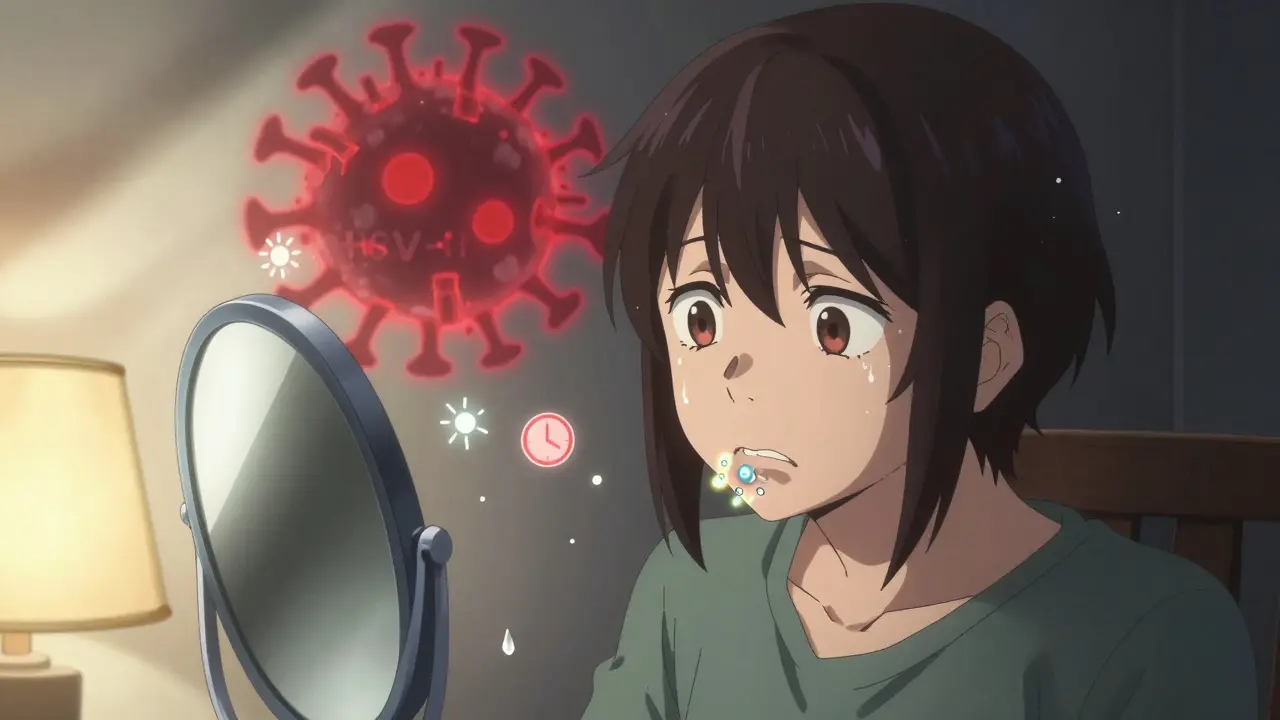
Cold Sores vs. Pimples: How to Tell Them Apart and Treat Each Correctly
Learn how to tell cold sores and pimples apart based on location, sensation, and appearance. Discover the right treatments for each and avoid common mistakes that worsen symptoms.

Genetic Testing for Cancer Risk: BRCA, Lynch, and Beyond
Genetic testing for BRCA, Lynch syndrome, and other inherited cancer risks helps identify high-risk individuals so they can take preventive action. Learn how modern panels work, what results mean, and how to use them wisely.

Pulmonary Function Tests: How to Interpret Spirometry and DLCO Results
Learn how spirometry and DLCO work together to uncover hidden lung problems. Discover what low or high results mean, why hemoglobin matters, and how these tests catch disease before symptoms appear.

Thyroid Nodules: How to Tell If They're Benign or Cancerous and When a Biopsy Is Really Needed
Most thyroid nodules are harmless, but knowing when to worry-and when to act-is key. Learn how size, growth rate, and ultrasound features determine if a biopsy is needed to rule out cancer.

ECG and Stress Tests: What You Need to Know About Heart Diagnostic Tests
ECG and stress tests help detect heart problems like blocked arteries and abnormal rhythms. Learn how they work, who needs them, and what the results mean for your heart health.

IBS vs. IBD: Functional vs. Inflammatory Bowel Disorders Explained
IBS and IBD look similar but are completely different. IBS is a functional disorder with no physical damage; IBD causes inflammation, ulcers, and long-term risks. Learn the key symptoms, tests, and treatments that set them apart.

Diabetes and Thyroid Disease: Overlapping Symptoms and How to Manage Both
Diabetes and thyroid disease often occur together and share overlapping symptoms like fatigue, weight changes, and hair loss. Learn how they interact, why testing both is critical, and how to manage them together for better health.