Imagine a patient sitting in a doctor's office, nodding along to a complex explanation about how their new medication works. They leave feeling reassured but confused. That moment is where the real work begins. For years, patient education relied heavily on printed pamphlets and brief verbal instructions. Today, the landscape has shifted dramatically. Patients are turning to their phones, not just to check symptoms, but to understand their treatments, join communities, and verify information about generic medicines. Social media education is no longer a trend; it is the primary channel where healthcare trust is built or broken.
The core problem is simple: the gap between clinical knowledge and daily life application is widening. Doctors have five minutes. Patients have hours of scrolling time. If healthcare providers do not meet patients where they are-on Instagram, TikTok, Facebook, or LinkedIn-someone else will fill that void. Often, that someone else is an influencer with a biased agenda or a forum filled with unverified anecdotes. This article explores how digital platforms are reshaping the way people learn about their health, specifically focusing on the nuances of using these tools for general educational purposes regarding medications and treatment adherence.
Why Social Media Changed the Rules of Patient Care
To understand why this shift matters, you have to look at the data. The global eLearning market reached $398.9 billion in 2025, growing at 14.6% annually according to Statista. While this figure covers all education, a significant slice now belongs to health and wellness. In the private sector, 78% of institutions maintain active social media presences across multiple platforms to connect with stakeholders. In healthcare, the parallel is striking. Patients are increasingly treating social feeds as their first point of contact for medical information. A study by Pew Research Center noted that 73% of Gen Z uses TikTok and Instagram as primary search tools. If your patient is under 35, they are likely searching for "how to take [medication name]" on TikTok before they even read the leaflet you handed them.
This behavior change creates two distinct opportunities and risks. On one hand, it allows for continuous, low-barrier education. A short video explaining side effects can be watched repeatedly at home. On the other hand, it introduces noise. The challenge for educators and clinicians is not just creating content, but curating a trusted space within a noisy feed. The goal is to move from passive information delivery to active community engagement. When a patient sees a peer successfully managing their condition through consistent medication use, that social proof often carries more weight than a doctor's advice alone.
Choosing the Right Platform for Health Messages
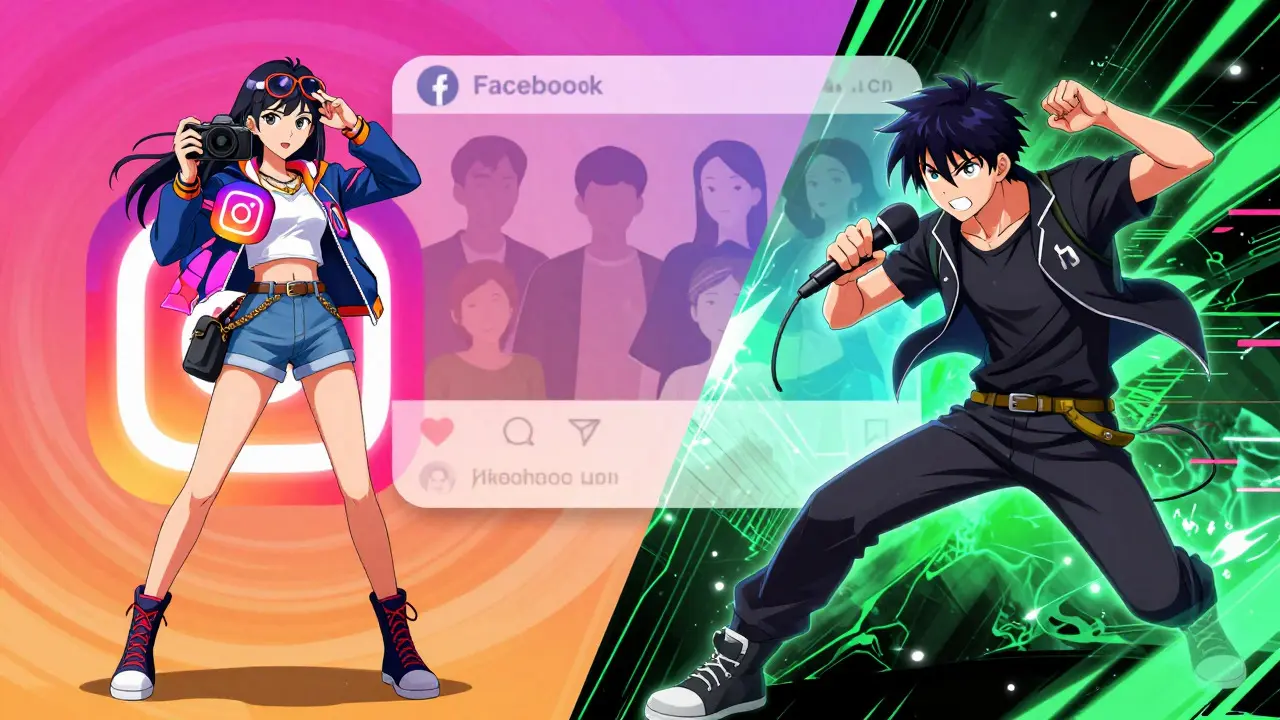
Not all social networks are created equal when it comes to educating patients. Trying to be everywhere usually leads to burnout and diluted messages. Experts like Dr. Sarah Johnson from Johns Hopkins University emphasize that institutions must align platform choices with specific audience demographics rather than trying to be everywhere. Here is how the major platforms stack up for health education in 2026:
| Platform | Primary Use Case | Key Advantage | Major Limitation |
|---|---|---|---|
| Visual storytelling, infographics, Reels | High engagement (2.8x higher than Facebook); strong visual appeal for symptom tracking | Short attention span; limited space for detailed text explanations | |
| TikTok | Quick tips, myth-busting, viral awareness | Fastest growing; 4.2x higher completion rates for short videos; reaches younger demographics | Difficulty verifying information accuracy; algorithm favors entertainment over depth |
| Community groups, long-form discussions, events | Largest user base (2.98 billion); ideal for older demographics and support groups | Declining usage among Gen Z; slower pace of content consumption | |
| Professional development, B2B health insights, alumni/career paths | High credibility; good for connecting with healthcare professionals and employers | Less effective for direct-to-patient emotional connection |
For general patient education regarding medications, Instagram and TikTok are currently the powerhouses. Instagram’s 2025 toolkit includes features like Broadcast Channels, which allow clinics to send updates to thousands of subscribers simultaneously. This is perfect for reminding patients about refill dates or new side-effect management techniques. TikTok, meanwhile, excels at breaking down complex topics into bite-sized chunks. A 15-second video explaining why consistency matters with blood pressure medication can outperform a ten-page PDF in terms of retention.
The Authenticity Paradox in Health Content
Here is the tricky part: patients can smell marketing from a mile away. Dr. Emily Wong warns about the "authenticity paradox," noting that content perceived as overly curated reduces trust by 44% among prospective audiences. In healthcare, this means that polished, corporate-looking ads often fail to engage patients who are already stressed about their health. They want to see real humans. They want to hear from nurses, pharmacists, or other patients who look and sound like them.
Successful strategies often involve student-led or staff-led content teams that prioritize genuine voices over scripted perfection. For example, a pharmacist filming themselves in their actual pharmacy, showing a generic pill next to its brand-name counterpart, and explaining the cost difference without a glossy filter, builds immense trust. This approach increased authentic content production by 300% in several case studies while reducing staff workload because the content felt natural rather than forced. The key is balancing institutional messaging with the raw reality of daily health management. If your content looks like an advertisement, it gets scrolled past. If it looks like advice from a friend, it gets saved and shared.
Practical Steps for Implementing Digital Patient Education
You don't need a massive budget to start, but you do need a plan. Jumping in without structure leads to inconsistent posting and eventual burnout. Here is a realistic roadmap for getting started:
- Select 2-3 Core Platforms: Don't spread yourself thin. If your patients are older, focus on Facebook and maybe Instagram. If they are younger, prioritize TikTok and Instagram. Data shows schools and clinics focusing on 2-3 core platforms achieve 31% higher engagement than those trying to be everywhere.
- Develop a Content Calendar: Consistency is king. 87% of successful organizations post 3-5 times weekly. Plan your topics in advance. Mix educational posts (e.g., "What is a generic drug?"), community highlights (e.g., patient success stories with permission), and quick tips (e.g., "How to manage dizziness after starting this med").
- Train Your Team: Basic proficiency takes time. Instagram requires roughly 17-23 hours of training for basic video editing and scheduling skills. Ensure your team understands not just how to post, but how to moderate comments effectively.
- Pilot and Measure: Run a four-week pilot. Track what works. Are people watching the full video? Are they asking questions in the comments? Use analytics to refine your approach. UTM tracking helps measure if social clicks are leading to appointment bookings or prescription refills.
A common pitfall is neglecting moderation. Negative comments or misinformation can spread quickly. Implementing clear moderation protocols reduced crisis incidents by 72% in surveyed institutions. Have a standard response ready for common questions, and know when to pull someone off-platform for a deeper conversation.
Bridging the Gap Between Generics and Trust
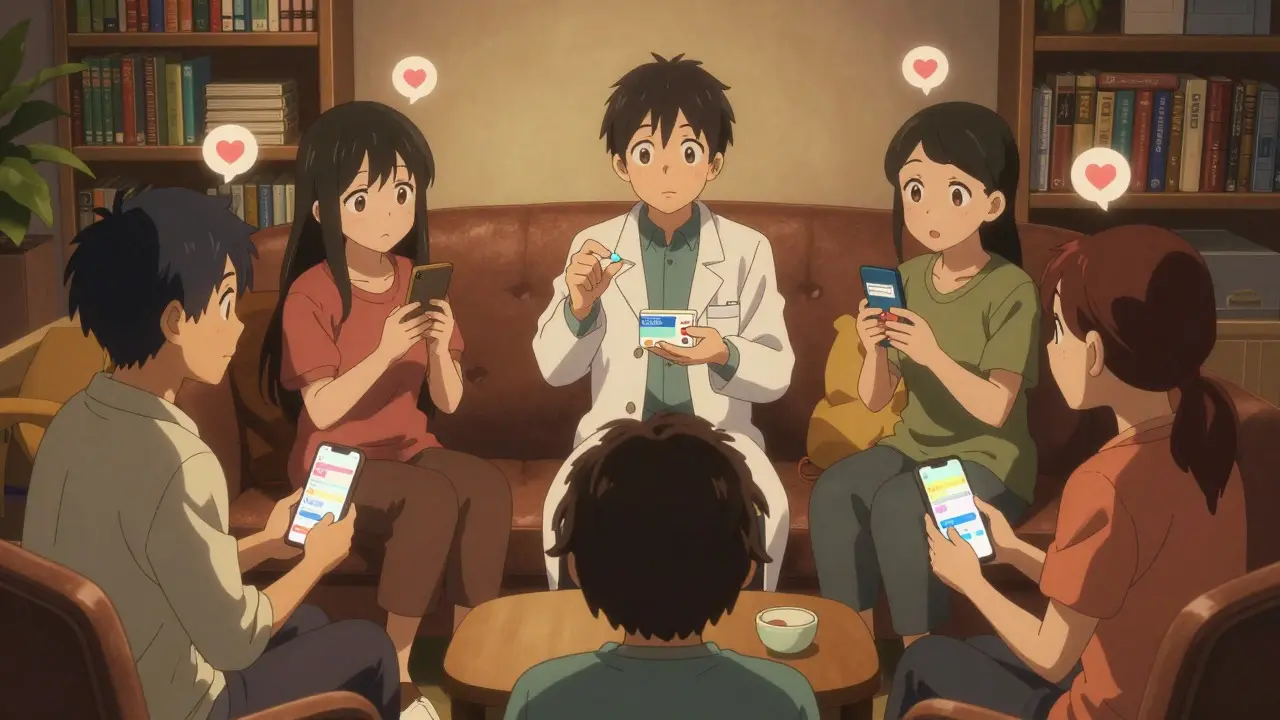
One specific area where social media education shines is demystifying generic medicines. Many patients hesitate to switch from brand-name drugs to generics due to fear or lack of understanding. Short-form videos can address these fears directly. For instance, a series titled "The Truth About Generics" can show the regulatory process, explain bioequivalence, and highlight cost savings. By making the science accessible and visual, you empower patients to make informed decisions without feeling pressured.
Furthermore, leveraging community groups on Facebook or dedicated channels on Discord can create safe spaces for patients to share experiences. When a patient sees three others confirming that a generic worked well for them, that social validation is powerful. It turns isolated anxiety into shared resilience. This is the essence of social media education: it is not just about broadcasting facts; it is about building a network of support that reinforces the clinical message.
Frequently Asked Questions
Is social media reliable for learning about medications?
It can be, provided the source is verified. Look for accounts run by certified healthcare professionals, accredited hospitals, or reputable pharmaceutical companies. Always cross-reference critical information with your doctor or pharmacist. Social media is best used for general education and motivation, not for diagnosing conditions or changing dosages.
Which platform is best for reaching older patients?
Facebook remains the strongest platform for older demographics, with a massive user base and robust group features. However, Instagram is also seeing significant growth among users over 50. Avoid relying solely on TikTok for this demographic, as usage rates drop significantly after age 40.
How much time does it take to manage a health education social media account?
For a small clinic or individual practitioner, expect to spend 5-10 hours per week on content creation, scheduling, and community management. This includes filming short videos, writing captions, and responding to comments. Using scheduling tools and batching content creation can reduce this time significantly.
What are the biggest risks of using social media for patient education?
The main risks include spreading misinformation, violating patient privacy (HIPAA/GDPR compliance), and facing public backlash from negative comments. Mitigate these by having a strict review process for all content, ensuring all patient testimonials have written consent, and maintaining a calm, professional tone in responses.
Can social media replace traditional patient education materials?
No, it should complement them. Printed materials and face-to-face conversations remain essential for complex cases or patients with low digital literacy. Social media works best as a reinforcement tool, keeping patients engaged between appointments and providing easy access to quick answers.

Recent Posts
-
 Proving Bioequivalence for Complex Generic Drugs: Key Challenges August 19, 2026
 -
 Buy Online Cheap Generic Warfarin: Best Prices & Safe Pharmacies August 29, 2026