You just picked up a new prescription. It’s supposed to fix the problem that’s been bothering you for weeks. But here is the catch: that new pill might be fighting against the other meds in your cabinet, the vitamins on your counter, or even the grapefruit juice in your fridge. This isn’t just a minor inconvenience; it’s a serious health risk.
Drug interactions happen when one substance changes how another works in your body. Sometimes this makes your medicine less effective. Other times, it turns a safe dose into a dangerous one. According to the FDA, these interactions are a massive public health issue. In fact, medication errors linked to interactions lead to 1.3 million emergency department visits every year in the United States alone. That number doesn’t include the thousands of hospitalizations and silent side effects that never make the news.
The good news? You have power in this situation. Most dangerous interactions are preventable. The key is asking the right questions before you pop that first pill. This guide will show you exactly what to ask your doctor and pharmacist to keep yourself safe.
Why Your Medication List Is More Than Just Pills
Many people think "medication" only means the prescriptions written by their doctors. If you think that way, you are leaving out huge chunks of data that matter. Drug interactions fall into four main buckets, and most patients miss at least two of them.
First, there are drug-drug interactions, which occur when two prescription medications clash. For example, taking certain antibiotics like ciprofloxacin while on warfarin (a blood thinner) can spike your risk of severe bleeding. Second, drug-food interactions are surprisingly common. Grapefruit juice is famous for messing with statins, but many don’t realize that calcium supplements can block the absorption of thyroid medication like levothyroxine.
Third, we have drug-supplement interactions. Herbal products, vitamins, and minerals are not harmless just because they are sold over the counter. St. John’s Wort, for instance, can render many antidepressants and birth control pills ineffective. Finally, there are drug-condition interactions. A medication might be safe for a healthy heart but dangerous if you have high blood pressure or glaucoma. Over-the-counter decongestants containing pseudoephedrine, for example, can raise blood pressure dangerously in hypertensive patients.
| Interaction Type | Example Scenario | Potential Risk |
|---|---|---|
| Drug-Drug | Ciprofloxacin + Warfarin | Severe internal bleeding |
| Drug-Food | Grapefruit Juice + Statins | Toxic levels of medication in blood |
| Drug-Supplement | Calcium + Levothyroxine | Reduced thyroid hormone absorption |
| Drug-Condition | Pseudoephedrine + High Blood Pressure | Hypertensive crisis |
The Seven Critical Questions to Ask Your Provider
When you get a new prescription, do not just say "thank you" and walk away. Experts from the FDA, Cleveland Clinic, and Harvard Health agree on seven specific questions you should ask. These questions cut through the noise and get to the safety essentials.
- "Will this interact with my other medications, supplements, or vitamins?" This is the big one. Make sure they check everything, including the multivitamin you take every morning.
- "Should I avoid certain foods, beverages, or other products while taking this medication?" Ask specifically about alcohol, caffeine, and common fruits like grapefruit or cranberries.
- "What side effects should I watch for, and which ones require immediate medical attention?" Distinguish between "take an antacid" side effects and "go to the ER" symptoms like difficulty breathing or swelling.
- "Will this medication interfere with my current medical conditions?" If you have diabetes, kidney disease, or heart issues, this question is vital.
- "Can I take this with my other medications at the same time?" Some drugs need to be spaced out by hours to work properly. Timing matters as much as the ingredient list.
- "What are the advantages of taking this medication over another one for my specific condition?" Understanding why *this* drug was chosen helps you understand its unique interaction profile.
- "Is there potential for gene-drug interactions based on my genetic makeup?" This is a newer area called pharmacogenetics. Some people metabolize drugs too fast or too slow due to their DNA, leading to unexpected reactions.
Why Pharmacists Are Your Best Defense
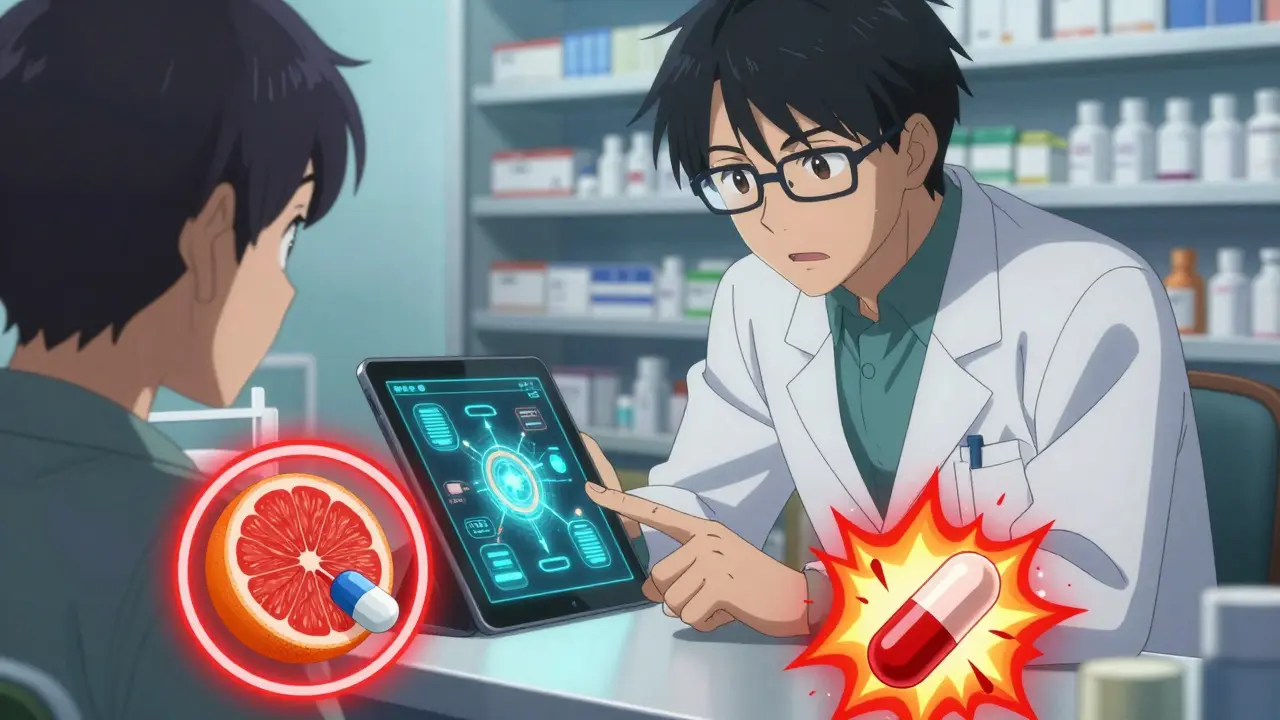
Your doctor diagnoses the problem; your pharmacist protects you from the cure. Pharmacists are trained specifically in medication safety. In fact, the American Pharmacists Association reports that 92% of pharmacists perform comprehensive drug interaction screening before dispensing any medication.
Think of your pharmacist as the final checkpoint. Data shows that pharmacists catch 37% of potentially serious drug interactions before the patient ever takes the pill. They have access to advanced software that flags conflicts your doctor might miss in a busy clinic visit. When you pick up your prescription, tell the pharmacist, "Please double-check this against all my other meds." Show them your full list, or better yet, bring your actual bottles. Seeing the labels helps them spot brand-name vs. generic confusion or dosage discrepancies.
If a pharmacist calls your doctor to clarify a concern, do not view it as a delay. View it as them saving your life. As Express Scripts notes, specially trained pharmacists will reach out to prescribers immediately if they see red flags. Let them do their job.
Preparing for the Conversation: The Master List
You cannot ask good questions if you don’t have accurate information. The biggest reason medication errors happen-68% of them, according to Cleveland Clinic-is incomplete medication histories. To fix this, you need a "Master List" of everything that goes into your body.
This list must include:
- All prescription medications (current and recent)
- Over-the-counter medicines (painkillers, allergy meds, sleep aids)
- Vitamins and mineral supplements
- Herbal remedies and botanicals
- Dietary supplements (protein powders, meal replacements)
- Recreational substances (alcohol, tobacco, marijuana, etc.)
Keep one copy of this list at home and carry a digital or paper version in your wallet. Update it every time you start or stop a medication. When you see a new specialist, hand them this list before they write anything new. Also, be honest about recreational use. Doctors are not police officers; they are scientists trying to calculate risks. Alcohol and nicotine significantly alter how many drugs are processed by the liver. Hiding this info puts you at risk.
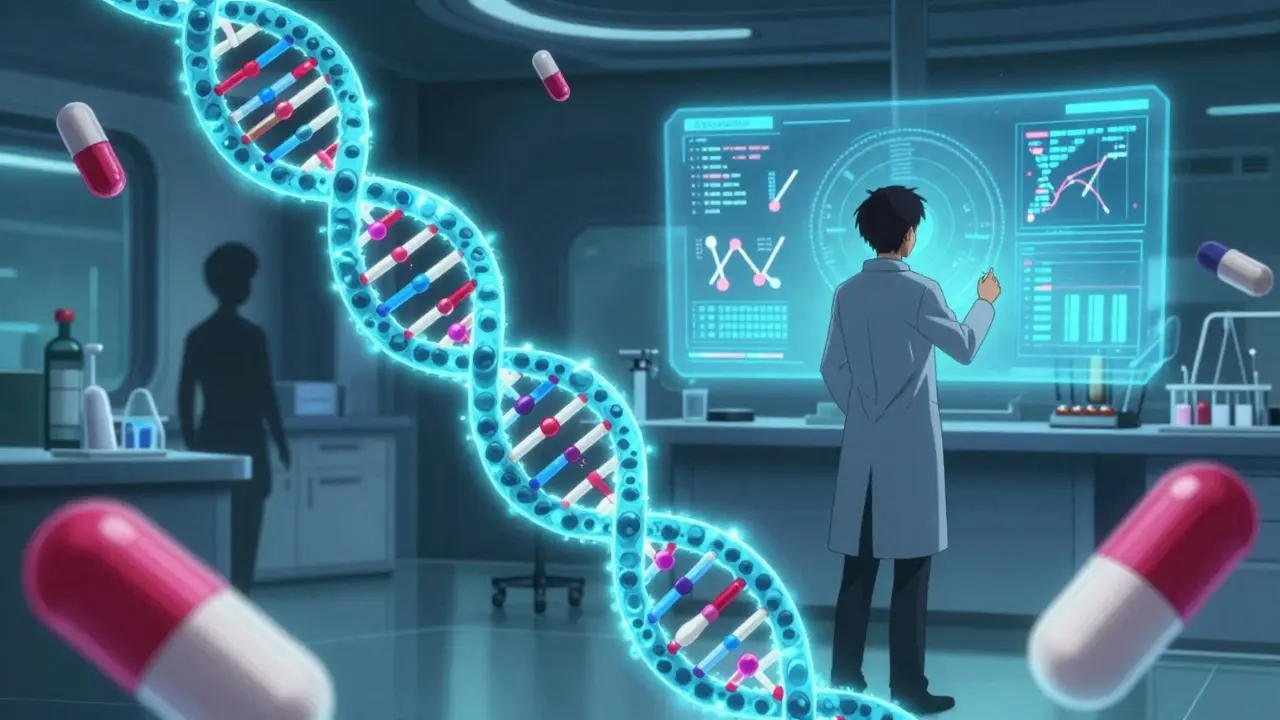
The Future of Safety: Genetics and Digital Tools
We are moving toward a more personalized approach to medication safety. In the past, dosing was one-size-fits-all. Today, pharmacogenetic testing is becoming more common. This testing looks at your DNA to predict how your body will metabolize specific drugs. For example, some people process painkillers very slowly, leading to toxic buildup, while others break them down too quickly, feeling no relief.
In 2023, 28% of new drug approvals included pharmacogenetic information, up from just 5% in 2015. This means doctors are increasingly aware that your genes play a role in drug safety. You can ask your provider if they use pharmacogenetic testing services or if they recommend one for complex cases.
Digital tools are also helping. Apps and databases like WebMD’s Drug Interaction Checker allow you to run quick checks, but remember: these are starting points, not final verdicts. Always confirm with a human expert. The trend is clear: within the next five years, genetic testing for high-risk medications may become standard practice. Until then, communication remains your strongest tool.
Real-World Consequences of Skipping the Check
It is easy to skip the interaction check when you are in a hurry or feel fine. But the consequences can be severe. Consider the case reported by Harvard Health of a 68-year-old man who started taking ciprofloxacin for an infection while already on warfarin for his heart. He didn’t mention the antibiotic to his cardiologist, and the pharmacist missed the flag. The result was severe internal bleeding requiring emergency surgery.
These aren’t rare anomalies. The FDA’s Adverse Event Reporting System logged over 12,000 serious adverse events related to drug interactions in 2022 alone. Anticoagulants, antiplatelets, and diabetes medications are the highest-risk categories. Preventable adverse drug events cost the U.S. healthcare system an estimated $30 billion annually. But beyond the money, it is about your quality of life. Avoiding hospital stays and dangerous side effects starts with a few minutes of preparation and asking the right questions.
How long does it take for a drug interaction to happen?
It depends on the type of interaction. Some, like those affecting absorption (e.g., calcium blocking thyroid meds), can happen immediately with the first dose. Others, involving metabolism (like grapefruit juice and statins), may build up over days or weeks. Always assume an interaction could happen anytime you start a new regimen.
Do herbal supplements really cause drug interactions?
Yes, absolutely. Herbal products contain active biological compounds. St. John’s Wort is well-known for reducing the effectiveness of birth control and antidepressants. Garlic and ginkgo biloba can increase bleeding risk when taken with blood thinners. Always treat herbs like medicines and disclose them to your provider.
Should I use online drug interaction checkers?
Online checkers are useful for initial awareness but should not replace professional advice. They may miss context-specific factors like your kidney function, age, or genetic makeup. Use them to identify potential issues to discuss with your pharmacist, not to make final decisions.
What is pharmacogenetics and do I need testing?
Pharmacogenetics studies how your genes affect your response to drugs. Testing is particularly helpful if you have tried multiple medications without success, experienced severe side effects, or are starting high-risk drugs like certain antidepressants or blood thinners. Ask your doctor if it’s appropriate for your case.
How often should I update my medication list?
Update your master list every time you start, stop, or change the dose of any medication, supplement, or herbal product. Review it at least once a month and ensure your primary care provider has the latest version before every appointment.

Recent Posts
-
 Fluoroquinolones and Delirium in Older Adults: What You Need to Know January 23, 2026
 -
 Edema and Sleep: Why Swelling Disrupts Rest and How to Fix It September 5, 2025