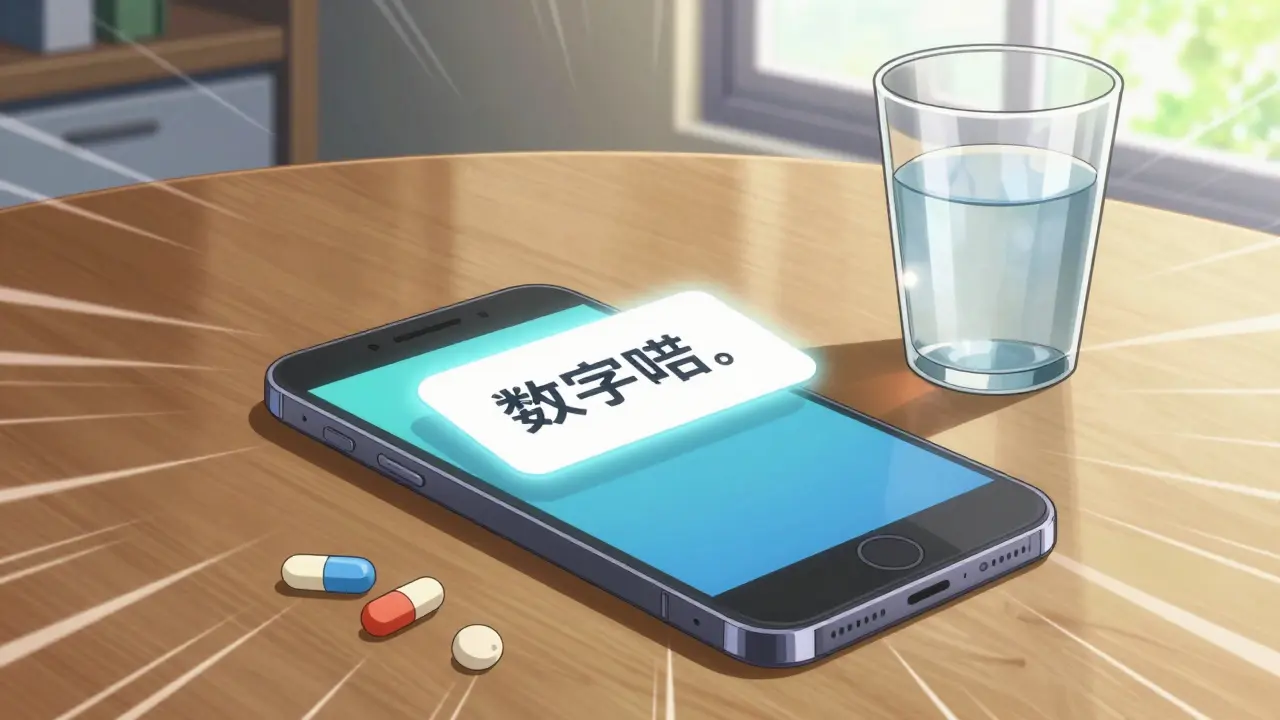
Forgetting a single dose of medicine might seem like a small mistake, but when it happens regularly, the consequences can be serious. Whether it's a blood pressure pill or a critical antibiotic, missing doses leads to treatment failure and higher healthcare costs. The good news is that you don't need a complex medical device to fix this. A simple tool already in your pocket-your phone-can act as a powerful safety net. Using medication adherence strategies like text reminders can bridge the gap between a doctor's prescription and the actual act of taking the pill.
Key Takeaways for Staying on Track
- Personalized reminders work significantly better than generic alerts.
- Timing is everything; reminders sent more than two hours from the dose time lose effectiveness.
- Daily alerts are most effective for chronic conditions, while weekly checks suit maintenance meds.
- Avoid "message fatigue" by varying your alert style every few months.
Why Text Reminders Actually Work
Most of us check our phones dozens of times a day. By leveraging SMS is a short message service that delivers brief text notifications directly to a mobile device, you create an immediate, external cue that interrupts your daily routine to remind you of your health needs. Research shows that these digital nudges can improve adherence by over 14 percentage points compared to just trying to remember on your own.
This isn't just about the convenience of a ping. For people managing complex conditions like HIV or asthma, where timing is critical, these reminders can be the difference between a stable condition and a medical emergency. While some people prefer apps, simple texts are often better because they don't require a high-speed data connection or a specific smartphone operating system to work.
How to Set Up Your Reminder System
You don't need to be a tech expert to build a reliable schedule. Depending on your needs, you can choose between manual setups, third-party apps, or healthcare-provider systems.
The DIY Manual Approach
If you have a simple one-pill-a-day routine, you can use the built-in reminders or calendar apps on your phone. Set a recurring alarm or a calendar event that triggers a notification. This is the fastest way to start, but it lacks the "nudge" element that keeps people motivated over long periods.
Using Dedicated Adherence Apps
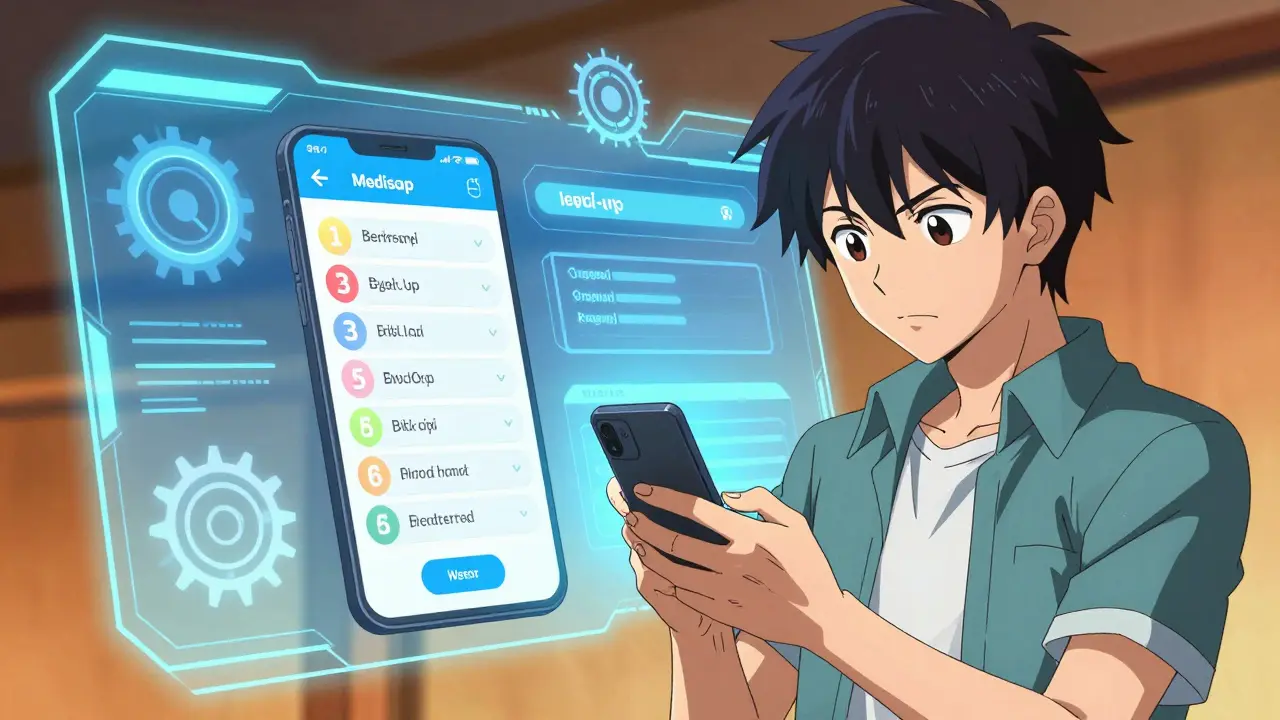
For those with multiple medications, tools like Medisafe is a digital medication management platform that provides smart reminders and refill tracking offer a more robust solution. These apps often send a text or push notification and won't stop alerting you until you mark the dose as "taken." Some users have reported cutting their missed doses from 30% down to under 5% using these targeted systems.
Clinical Provider Systems
Many modern health systems now integrate reminders directly into their Electronic Health Records (or EHR), which are digital versions of a patient's paper chart available in real-time. These are the gold standard because the provider can see if you've missed a refill and send a personalized nudge to get you back on track.
Designing Reminders That You Won't Ignore
The biggest enemy of a reminder system isn't technology-it's boredom. After a few months, your brain starts to treat the "Take your meds" text as background noise. This is known as message fatigue. To keep your system effective, you need to focus on three specific design elements: personalization, timing, and frequency.
Personalization Over Generics
A text that says "Medication Reminder" is easy to ignore. A text that says, "Hi Sarah, it's time for your 8 AM blood pressure pill to keep your heart healthy!" is much harder to dismiss. Personalized messages create a psychological connection and a sense of accountability.
The Two-Hour Rule
Timing is critical. Data suggests that if a reminder arrives more than two hours after the intended dose time, its effectiveness drops by about 35%. Your reminder should hit your screen exactly when you are likely to be near your medication. If you take your pill during breakfast, set the alert for 5 minutes before you usually sit down to eat.
Frequency Adjustments
Not every medication needs the same cadence. Use this general rule of thumb for your schedule:
| Condition Type | Recommended Frequency | Goal |
|---|---|---|
| Acute/Infectious (e.g., TB, HIV) | Daily / Multiple times per day | Prevent drug resistance |
| Chronic Maintenance (e.g., Statins) | Weekly or Daily | Long-term health stability |
| As-Needed (PRN) | Event-based triggers | Symptom management |
Avoiding Common Pitfalls
Even with a great system, things can go wrong. Many people find that after six months, they simply stop responding to the texts. To avoid this, try rotating the phrasing of your messages or changing the notification sound. If you're using a professional service, ensure it complies with privacy standards like HIPAA is the Health Insurance Portability and Accountability Act, which protects sensitive patient health information from being disclosed without consent, especially if the texts contain the names of your medications.
Another common mistake is relying solely on the text. A text is a reminder, not a delivery system. Combine your digital alerts with physical cues, such as a pill organizer or keeping your medication next to your toothbrush. The text starts the process, but the physical organization finishes it.
When Texting Isn't Enough
While text reminders are great for many, they aren't a magic bullet for everyone. For some complex chronic conditions, such as advanced cardiovascular disease, simple reminders might not be enough to sustain long-term adherence. In these cases, a hybrid approach is necessary.
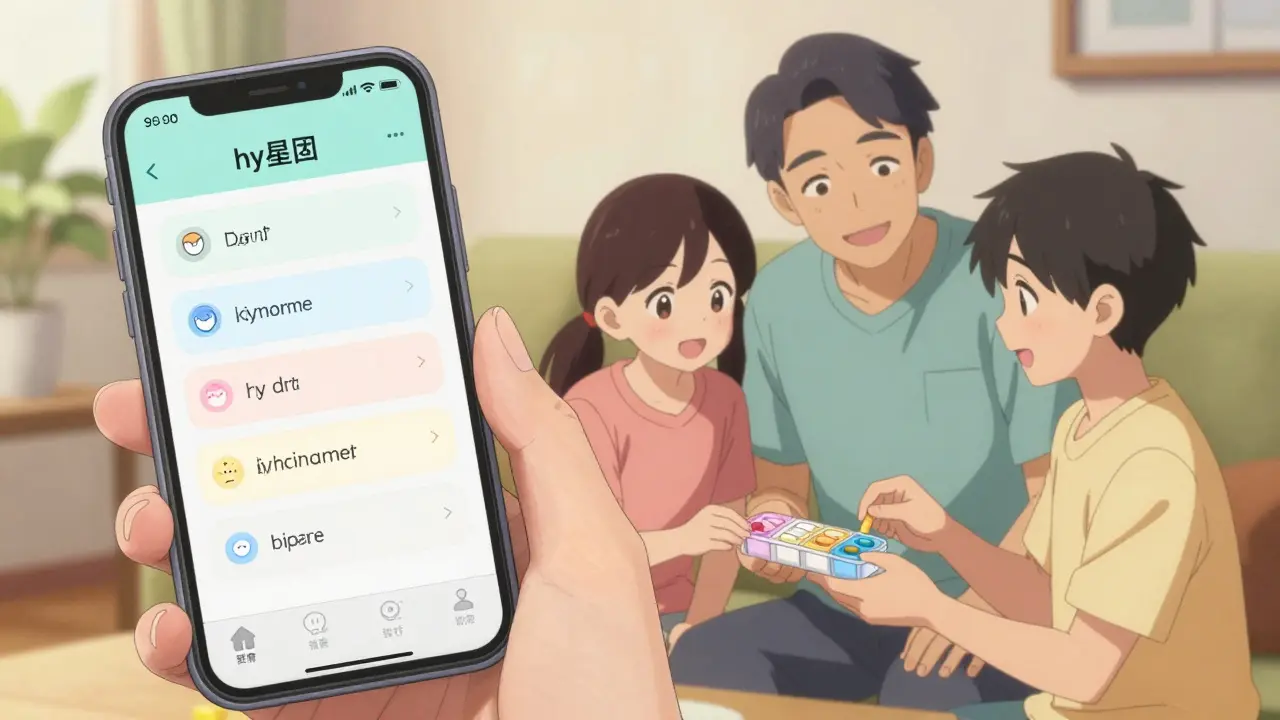
If you find yourself still missing doses despite the texts, consider adding a "human element." This could be a family member who checks in once a week or a pharmacist who provides a blister pack. The most successful adherence programs combine the efficiency of Digital Health tools with the accountability of a supportive human network.
Do text reminders actually improve health outcomes?
Yes, especially for time-critical medications. For instance, studies on HIV and heart disease treatments show significant improvements in blood pressure control and viral suppression when daily text reminders are used compared to no reminders at all.
What is "message fatigue" and how do I stop it?
Message fatigue happens when you start ignoring notifications because they become predictable and boring. You can fight this by changing the wording of your alerts every few weeks or using different notification sounds for different medications.
Are there any risks to using text reminders for meds?
The main risk is privacy. If you share a phone or have notifications visible on your lock screen, others may see your medication names. To fix this, use generic codes (like "Med A" instead of "Lisinopril") in your reminder texts.
How often should I set my reminders?
For critical or acute infections, daily reminders are best. For chronic maintenance drugs, a daily alert is still recommended, but some people find weekly check-ins for refill reminders more helpful to avoid gaps in therapy.
Can I use these reminders for my elderly parents?
Absolutely. However, ensure the timing is accurate and the language is simple. If they struggle with technology, a system where the text is sent to both the patient and a caregiver can provide an extra layer of safety.
Next Steps and Troubleshooting
If you are just starting, begin with one medication. Once you've mastered that for two weeks, add the rest of your schedule. If you find you're still missing doses, check your timing-move the alert 15 minutes earlier or later to see if it fits your natural flow better.
For those managing severe illness, talk to your doctor about integrating your reminders with their clinic's system. This allows your healthcare provider to see your adherence patterns and adjust your treatment plan based on real-world data rather than just your memory during an appointment.

Write a comment
Your email address will not be published.
Recent Posts
-
 Betamethasone for Urticaria: How It Works, Benefits & Risks September 14, 2025
 -
 How to Buy Cheap Generic Motrin Online Safely October 11, 2025
 -
 Bittersweet Nightshade Benefits: The Ultimate Supplement Guide September 4, 2025


10 Comments
already have an app for this 🙄 basic advice lol
This is such a wonderful way to help people stay healthy! 🌟 I love how simple the solutions are. Everyone can do this! Keep pushing for better health habits! ✨💖
Wow just wow!! 😱 Imagine thinkin a text msg can save a life when the whole system is broknd. its basicly a joke to say this works when peopel forget their phones or battery die. absolute fail on the logic here lol
super helpful stuff man keep it up just set a bangin alarm and smash those health goals let's gooo
Honestly, relying on a machine for your basic health is a moral failure of the modern age. We've become so detached from our own bodies that we need a ping to tell us to stay alive. It's honestly pathetic! 🙄
The focus on Western digital health standards is remarkably narrow. In India, we have community networks that far outperform a cold, sterile SMS notification. This entire analysis ignores the sociological infrastructure of the Global South and attempts to impose a clinical, algorithmic solution on a human problem. It is an insult to the intelligence of those who manage health through familial duty rather than a software update.
tried the manual way but i just swipe it away and forget lol. apps r too much work to set up
Exactly! Physical cues are where the real magic happens. I always put my pills right next to the coffee pot because that's the one thing I never forget in the morning. Digital tools are great, but they're just the spark. You need the habit to be the fuel! Combine them both and you're unstoppable!
It is interesting how we seek to quantify the act of remembering. We treat the memory as a glitchy piece of hardware that needs a software patch, forgetting that the struggle to remember is part of the human condition itself.
I agree that the human element is the most vital part of any health journey. (^_^) It is lovely to see people supporting each other in these small but significant ways.