Your bathroom cabinet might be the most dangerous place in your house. It sounds dramatic, but think about it. You have pills that can stop a heart or slow breathing sitting next to toothpaste and razors. If you have kids, teens, or even just a curious pet, those medications are an open invitation for trouble. But there is another risk hiding in plain sight: fake drugs. With counterfeit drugs estimated to make up nearly 10% of substandard medicines globally, knowing how to spot a fake is just as important as locking them away.
We often treat our medicine cabinet like a junk drawer for health products. We toss in old antibiotics, half-used painkillers, and random supplements until the door won't close. This habit isn't just messy; it’s risky. Improper storage ruins the chemical structure of many drugs, making them useless or worse, toxic. Meanwhile, the rise of online pharmacies means we’re more likely than ever to buy medication without seeing it first. Let’s fix this mess by looking at how to store your meds safely and how to tell if what you bought is real.
The Hidden Danger of Bathroom Storage
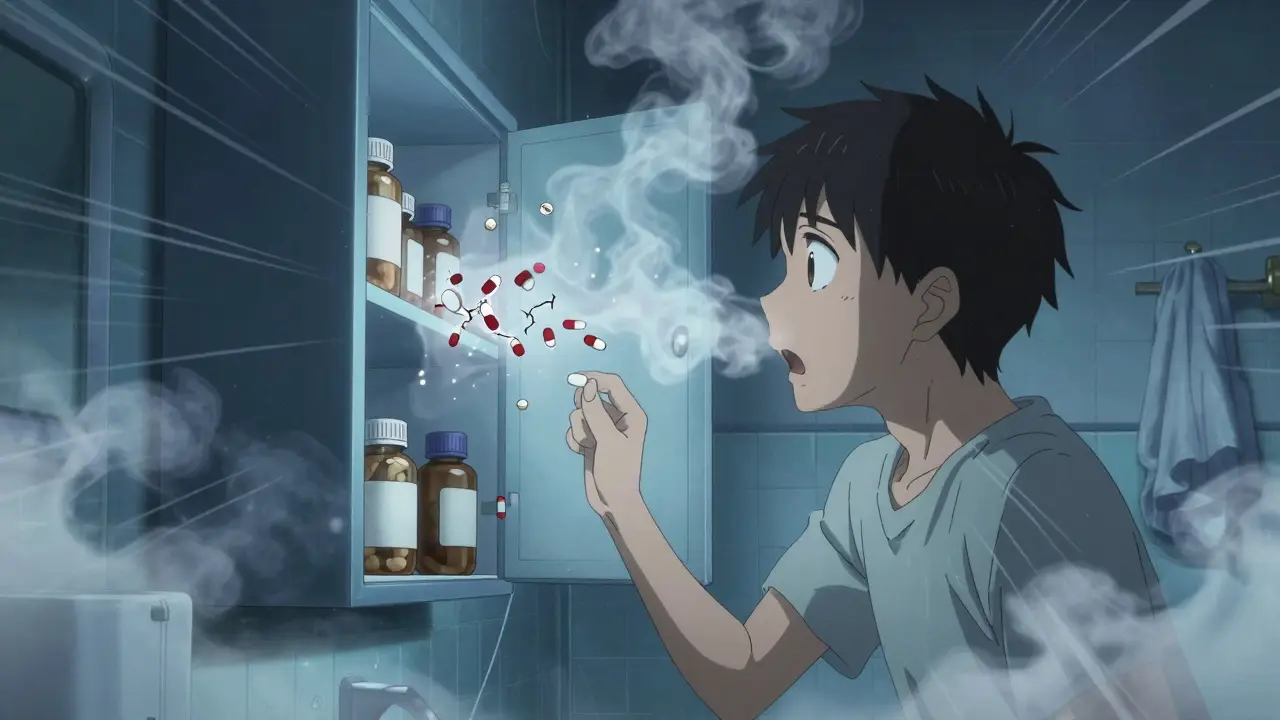
You probably keep your meds in the bathroom because that’s where you take them. It makes sense logically, but chemically? It’s a disaster zone. Bathrooms are hot and humid. Every time you shower, the humidity spikes. According to data from Pfizer and MedlinePlus, this moisture causes aspirin to break down into vinegar and salicylic acid within just two weeks. That means the pill you took last month might not work at all today.
Here is the rule of thumb: heat and humidity destroy potency. A study in the Journal of Pharmaceutical Sciences found that storing meds in a bathroom increases degradation risk by 65% compared to a cool bedroom dresser. If you have insulin, certain antibiotics like ampicillin, or eye drops, the bathroom is off-limits. Insulin, for example, degrades rapidly when exposed to temperature swings. Keep these sensitive items in a cool, dry place-like a bedroom closet or a dedicated shelf in a hallway-away from windows and pipes.
- Temperature: Aim for 68-77°F (20-25°C). Check your local weather; if your house gets hotter than that in summer, consider a small fan or AC unit near your storage area.
- Humidity: Keep it below 60%. If you live in a damp climate, use a dehumidifier in the room where you store meds.
- Light: Direct sunlight breaks down chemicals. Tetracycline, a common antibiotic, degrades 40% faster in direct sun. Keep meds in opaque containers or dark cabinets.
Locking Up: Why Child-Proof Caps Aren't Enough
We’ve been told since the 1970s that child-resistant caps are enough. They are not. The American Academy of Pediatrics notes that while these caps reduce poisoning risk by 45%, combining them with locked storage boosts protection to 92%. Kids are smarter and stronger than we give them credit for. Toddlers can twist caps. Teens can pick locks or find hidden spots.
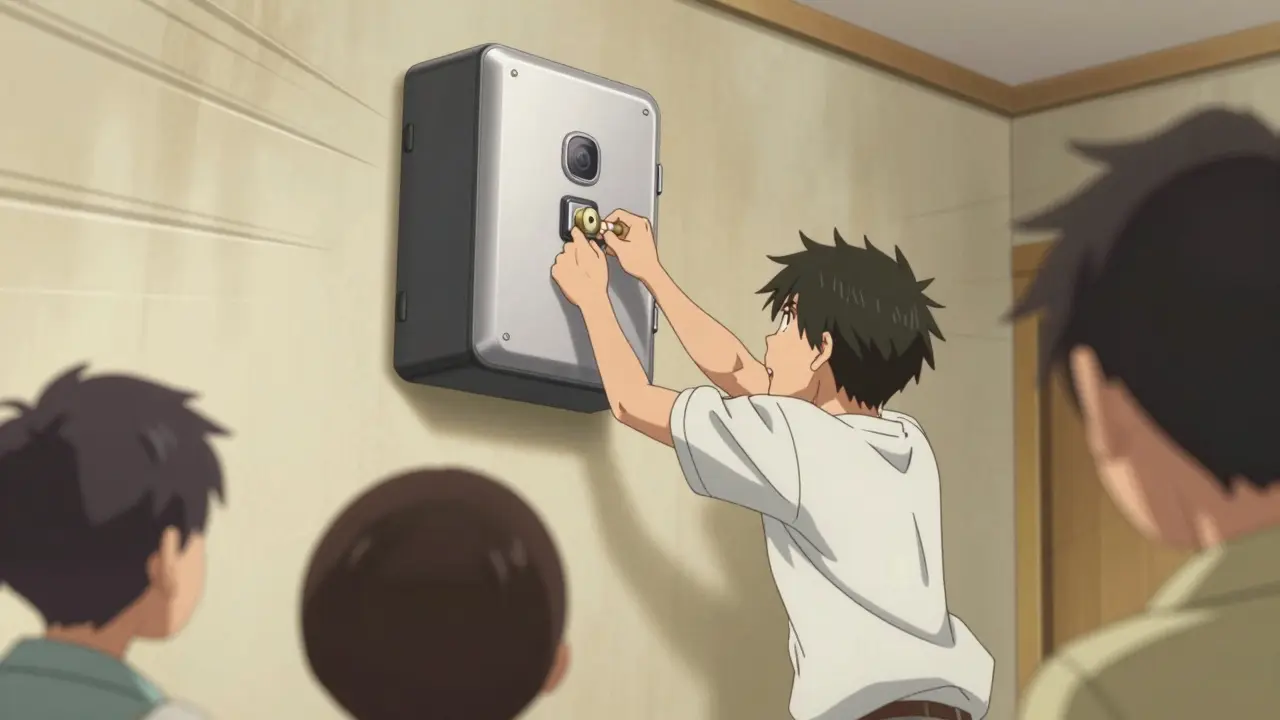
If you have children under five, or teenagers who might misuse prescription stimulants or opioids, you need a lock. It doesn’t have to be a bank vault. A simple magnetic latches on cabinet doors or a small portable safe works wonders. The EPA states that 95% of accidental pediatric exposures could be prevented with proper storage. For high-risk meds like opioids, SAMHSA data shows that fireproof safes reduce diversion risk by 89%.
But here’s the catch: accessibility matters. If you have arthritis or limited dexterity, a tiny combination lock is a nightmare. The Arthritis Foundation recommends large-dial combination locks or voice-activated smart locks. You want security, but you also need to get your meds quickly during an emergency. Place the lock at waist-to-shoulder height so it’s reachable for you but out of sight for little ones.
| Storage Method | Safety Level | Potency Preservation | Best For |
|---|---|---|---|
| Bathroom Cabinet | Low | Poor (High Humidity) | None (Avoid) |
| Bedroom Dresser | Medium | Good (Cool/Dry) | General OTC meds |
| Locked Cabinet | High | Good | Homes with kids/teens |
| Fireproof Safe | Very High | Excellent | Opioids, high-value meds |
Spotting Counterfeit Drugs: What to Look For
This is the scary part. Fake drugs aren’t just ineffective; they can kill. Counterfeiters often mix active ingredients with fillers like chalk, sugar, or even fentanyl. In 2023, the FDA seized thousands of fake Viagra and Cialis pills containing methamphetamine. How do you protect yourself?
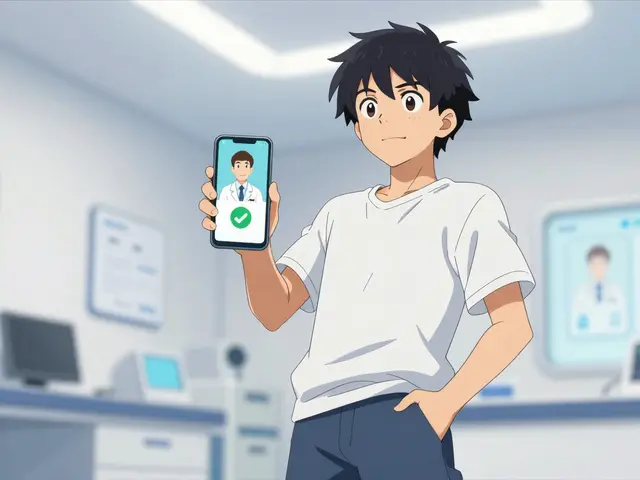
First, buy from reputable sources. If you order online, check if the pharmacy is verified by the National Association of Boards of Pharmacy (NABP) or has a VIPPS seal. Legitimate pharmacies will always ask for a valid prescription. If a site sells controlled substances without one, run away.
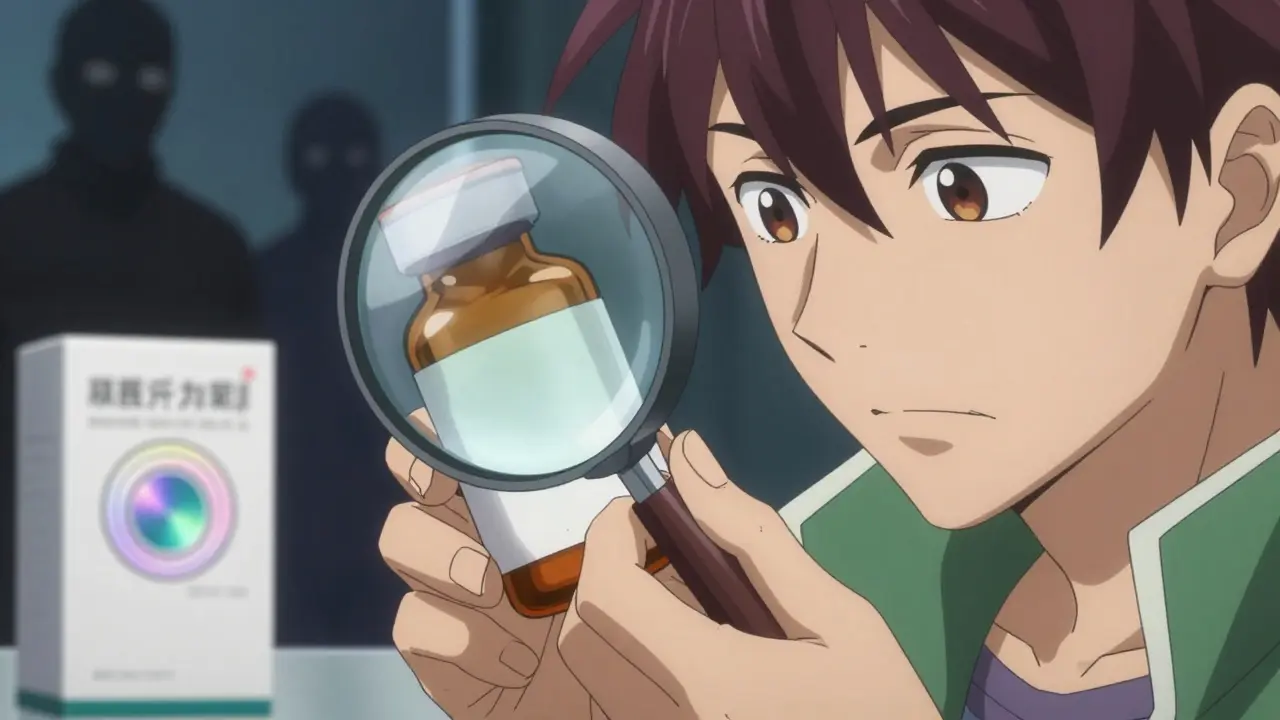
Second, inspect the packaging. Real pharmaceutical companies invest heavily in brand protection. Look for holograms, tamper-evident seals, and clear printing. Counterfeits often have blurry text, misspellings, or uneven colors. Check the lot number and expiration date. If they look stamped on poorly or are missing entirely, that’s a red flag.
Third, trust your senses. Does the pill look different? Is it crumbling? Does it taste weird? Real meds have consistent shape, color, and texture. If your usual blue pill suddenly looks purple, don’t take it. Contact your pharmacist immediately. Some advanced counterfeits now use blockchain verification codes. Scan the QR code on the box to see if it matches the manufacturer’s database. This technology is still emerging, but major chains are rolling it out.
The Disposal Problem: Don't Flush It
When meds expire or you no longer need them, don’t throw them in the trash or flush them down the toilet. Flushing contaminates water systems. Throwing them in the trash invites scavengers or kids to dig them up. The DEA runs take-back programs across the U.S., with over 14,000 permanent collection sites. Find one near you via their website.
If you can’t find a drop-off point, mix the pills with unpalatable substances like coffee grounds or cat litter, seal them in a bag, and throw them in the trash. Remove any personal info from the bottle label first. This prevents identity theft and keeps the meds inaccessible. Do this quarterly. Set a reminder on your phone to audit your medicine cabinet every three months. You’ll be surprised how much expired stuff accumulates.
Building a Safety Routine
Changing habits takes time. Start with a 15-minute home audit. Find every pill, cream, and inhaler in your house. Consolidate them into one or two secure locations. Buy a lockbox if needed. Teach your family the rules: never leave meds on countertops after taking them. Most accidental ingestions happen when parents set pills down to answer the phone or help with homework.
Create a routine. Take your meds at the same time each day, right after brushing your teeth, then immediately return them to the locked cabinet. Make it automatic. For elderly users, consider smart dispensers that alert caregivers if doses are missed. These devices add a layer of safety without sacrificing independence.
Protecting your home supply isn’t just about organization. It’s about preventing tragedy. Whether it’s stopping a toddler from swallowing ibuprofen or ensuring your blood pressure med isn’t a fake filled with starch, these steps save lives. Start today. Lock it up. Check it out. Stay safe.
Where is the safest place to store medication at home?
The safest place is a cool, dry location away from sunlight and humidity, such as a bedroom closet or hallway shelf. Avoid bathrooms due to heat and moisture. For households with children or teens, use a locked cabinet or safe installed at least 5 feet high.
How can I tell if my medication is counterfeit?
Check for holograms, tamper-evident seals, and clear printing on packaging. Verify the seller is licensed. Inspect the pill for consistent color, shape, and texture. If it looks different, crumbles easily, or tastes odd, contact your pharmacist. Use blockchain verification codes if available.
Should I flush expired medications?
No. Flushing contaminates water supplies. Instead, use DEA-approved take-back sites. If unavailable, mix pills with coffee grounds or cat litter, seal in a bag, and dispose in household trash. Remove personal info from labels first.
Are child-resistant caps enough to keep kids safe?
No. Child-resistant caps reduce risk by only 45%. Combining them with locked storage increases protection to 92%. Kids can learn to open caps, so physical barriers like locks are essential for high-risk medications.
How often should I check my medicine cabinet?
Perform a quarterly audit every three months. Remove expired, unused, or broken-seal medications. This prevents accidental ingestion of degraded drugs and reduces clutter, making emergencies easier to manage.