
About 1 in 3 people in the US will get shingles in their lifetime. If you've had chickenpox, the virus that causes it stays hidden in your nerves, waiting to reactivate as shingles. The good news? Quick action for shingles treatment can make a huge difference.
What is shingles?
Shingles is a viral infection caused by the reactivation of the varicella-zoster virus-the same virus that causes chickenpox. After you recover from chickenpox, the virus stays dormant in your nerve tissue. Years later, it can reactivate, leading to shingles. This usually happens in people over 50 or those with weakened immune systems. The first signs often include tingling, burning, or shooting pain in a specific area of the body, followed by a red rash that turns into fluid-filled blisters.
Why timing is critical for antiviral treatment
Starting antiviral medication within 72 hours of the rash appearing makes a huge difference. According to the CDC, delaying treatment beyond this window significantly reduces its effectiveness. A 2011 study in PubMed showed that antivirals given early cut acute pain by about 30% and healed blisters 2-3 days faster compared to a placebo. For example, if you notice a rash on day one and start treatment immediately, you might avoid severe pain and reduce the risk of complications like post-herpetic neuralgia (PHN). But if you wait a week, the virus has already spread widely, making treatment much less effective.
Which antiviral medications work best
Three main antiviral drugs are used for shingles: acyclovir, famciclovir, and valacyclovir. Each has different dosing schedules and side effects. Here's how they compare:
| Medication | Dose | Duration | Key Notes |
|---|---|---|---|
| Valacyclovir | 1,000 mg three times daily | 7 days | Convenient dosing; may reduce pain more than acyclovir |
| Acyclovir | 800 mg five times daily | 7-10 days | Requires more frequent dosing; older option |
| Famciclovir | 500 mg three times daily | 7 days | Similar effectiveness to valacyclovir; fewer side effects |
Valacyclovir is often preferred because it's easier to take-three times a day instead of five. A Healthline review from February 2024 noted that valacyclovir may provide better pain relief than acyclovir, though all three work similarly for healing blisters. Side effects like headache (13%), nausea (9%), and dizziness (7%) are possible but usually mild. For people with kidney problems, doctors might adjust the dose or choose a different medication.

Managing shingles pain effectively
Shingles pain can be severe, especially for older adults. Doctors often recommend a combination of treatments:
- Anticonvulsants like gabapentin (starting at 300 mg daily, up to 1,800-3,600 mg) help calm nerve pain. They work best for PHN but can cause drowsiness.
- Tricyclic antidepressants such as amitriptyline (25-75 mg at night) reduce pain signals. They're effective but may cause dry mouth or dizziness.
- Topical treatments like lidocaine patches (5%) applied for 12 hours on, 12 hours off, or capsaicin cream (0.075%) rubbed on the skin three times daily. These numb the area or desensitize nerves.
- Opioids like oxycodone are sometimes used for severe pain but only short-term due to addiction risks. They're not ideal for nerve pain and can cause constipation or dizziness.
A 2023 study from the Zoster Eye Disease Study (ZEDS) found that patients on long-term low-dose valacyclovir (500 mg daily) used 22-25% less pain medication like pregabalin. This is especially important for older adults who often experience dizziness from these drugs. For eye-related shingles, consistent antiviral treatment can prevent serious complications like vision loss.
Preventing complications like PHN and eye issues
Post-herpetic neuralgia (PHN) is chronic pain that lasts months or years after the shingles rash heals. About 10-18% of shingles patients develop PHN, and this jumps to 30% for those over 60. The Zoster Eye Disease Study (ZEDS), presented in October 2023, showed that long-term low-dose valacyclovir reduced new or worsening eye disease by 26% at 18 months. For patients with shingles affecting the eye, this treatment is now a key part of care. Doctors also recommend early pain management to prevent PHN. Using gabapentin or amitriptyline within the first few days of the rash may lower PHN risk, though research on this is mixed.
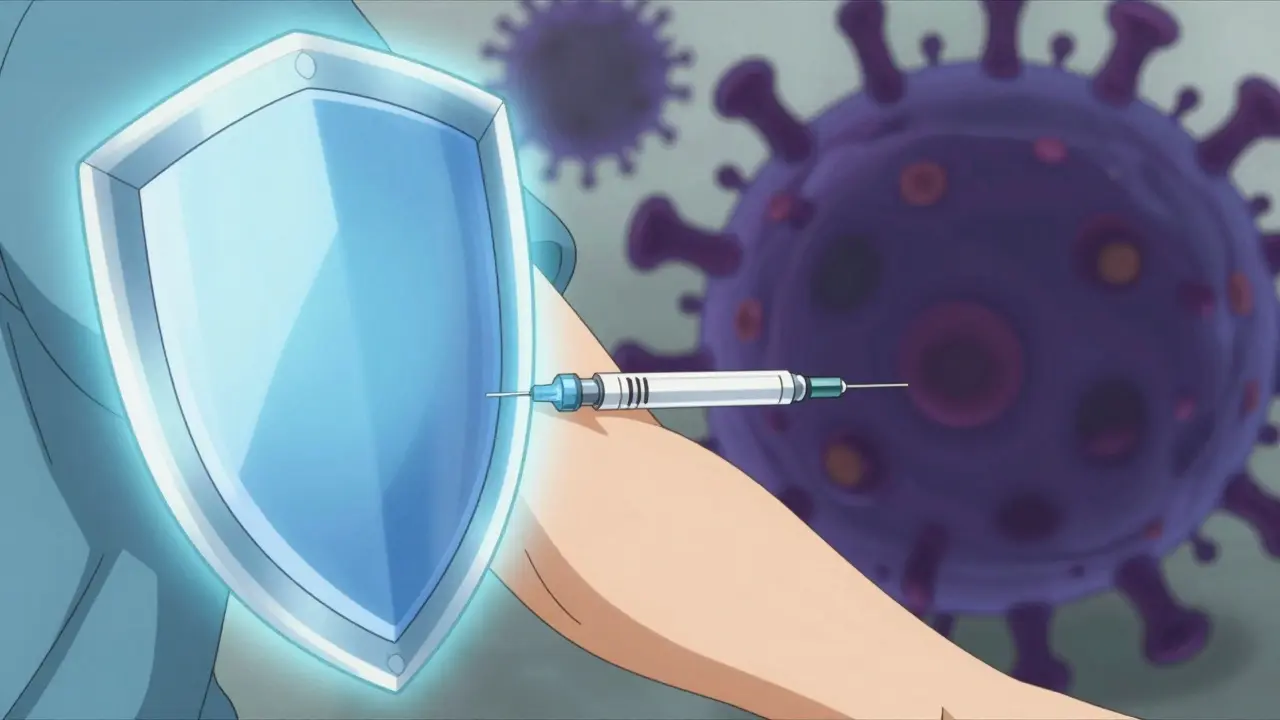
How the Shingrix vaccine helps prevent shingles
The Shingrix vaccine is the best way to prevent shingles. It requires two doses given 2-6 months apart and reduces shingles risk by over 90% in people over 50. Even if you get shingles after vaccination, symptoms are usually milder and shorter. The CDC recommends Shingrix for adults 50+ and immunocompromised adults 19+. Unlike the older Zostavax vaccine, Shingrix works better and doesn't contain live virus, making it safe for most people. Side effects like soreness at the injection site or mild fever are common but go away in a few days.
When to see a doctor
Don't wait if you suspect shingles. See a doctor immediately if you notice:
- Pain, tingling, or burning on one side of your body or face
- A red rash that turns into blisters
- Shingles near your eye (can cause vision problems)
- Fever, headache, or feeling unwell with the rash
Early diagnosis is key. Doctors often diagnose shingles by looking at the rash. In unclear cases, a fluid test from a blister (PCR) confirms the virus with 95% accuracy. If you're over 50, have a weakened immune system, or the rash is near your eye, urgent treatment is essential.
How soon after symptoms start should I take antivirals?
Start antiviral treatment within 72 hours of the rash appearing for maximum effectiveness. Delaying beyond this window significantly reduces benefits. If you notice tingling, burning, or a rash on one side of your body, contact your doctor immediately-don't wait for the rash to fully develop.
What are common side effects of antiviral medications?
Most people tolerate antivirals well, but side effects can include headache (13% of valacyclovir users), nausea (9%), and dizziness (7%). Acyclovir requires more frequent dosing (five times daily) which some find inconvenient. If you experience severe side effects like confusion or kidney problems, contact your doctor immediately.
Can shingles be prevented with a vaccine?
Yes, the Shingrix vaccine reduces shingles risk by over 90% in people over 50. It requires two doses 2-6 months apart and works better than the older Zostavax vaccine. The CDC recommends it for most adults 50+ and immunocompromised adults 19+. Even if you've had shingles before, Shingrix can prevent future outbreaks.
What should I do if shingles affects my eye?
Seek immediate care from an ophthalmologist. Eye involvement (herpes zoster ophthalmicus) can cause permanent vision damage. Treatment includes antivirals like valacyclovir and sometimes steroids to reduce inflammation. Long-term low-dose valacyclovir (500 mg daily) has been shown to reduce eye disease flare-ups by 28-30% according to the Zoster Eye Disease Study.
How long does shingles pain last?
Acute pain typically lasts 2-4 weeks while the rash heals. However, about 10-18% of people develop post-herpetic neuralgia (PHN), where pain persists for months or years. Early antiviral treatment and pain management strategies (like gabapentin or lidocaine patches) can reduce PHN risk. If pain continues beyond the rash healing, consult your doctor about specialized pain management options.

Write a comment
Your email address will not be published.
Recent Posts
-
 How Neuroblastoma Links to Developmental Disorders: Genetics, Risks & Care September 22, 2025
 -
 Belladonna Supplement: All-Natural Boost for Optimal Health September 2, 2025
 -
 How to Buy Cheap Generic Viagra Online Safely - 2025 Guide August 28, 2025

14 Comments
Shingles is caused by the varicella-zoster virus, which remains dormant in your nerve tissue after chickenpox.
Reactivation usually happens in older adults or those with weakened immunity.
Early treatment with antivirals like valacyclovir is key.
Starting within 72 hours of rash onset significantly reduces pain and speeds healing.
A study in PubMed showed early antivirals cut acute pain by 30% and healed blisters 2-3 days faster.
Valacyclovir is often preferred over acyclovir because it's easier to take-three times a day versus five.
It also provides better pain relief.
For severe pain, gabapentin or amitriptyline can help manage nerve pain.
Topical lidocaine patches are useful for localized pain.
Opioids should be avoided for nerve pain due to addiction risks.
The Shingrix vaccine is highly effective at preventing shingles, reducing risk by over 90%.
It's recommended for adults 50+ and immunocompromised individuals 19+.
Even if you've had shingles before, vaccination can prevent future outbreaks.
Eye involvement requires immediate ophthalmologist care to prevent vision loss.
Long-term low-dose valacyclovir has been shown to reduce eye complications by 26% in studies.
Overall, timely treatment and prevention through vaccination are essential for minimizing shingles' impact.
This is spot on I had shingles two years ago and started antivirals within 72 hours the rash healed in 10 days took gabapentin for nerve pain wasn't fun but worked shingrix vaccine is a must for older adults
Start antivirals within 72 hours-no exceptions.
Shingrix vaccine is a game changer! 🌟 Got it after 50 and feel way safer. No shingles for me! 🎉 #vaccineswork 🌈
Most people don't need antivirals for shingles the body can handle it I've had it twice and didn't take anything just rest and it went away the meds are overhyped
It is absolutely critical to start antivirals immediately! Delaying treatment is irresponsible and will lead to chronic pain! People who ignore this are putting themselves at risk!!!
USA has the best treatments for shingles! If you're in the US, don't waste time-see a doc immediately. We've got the best meds here.
Big Pharma is pushing these antivirals because they're overpriced I know someone who got shingles and the real cure was natural remedies they just don't want you to know
The CDC says to take antivirals within 72 hours but that's just to sell more drugs the real solution is natural immune boosters they don't want you to know the truth
Ugh shingles is such a nightmare I had it last year and the pain was unbearable they gave me gabapentin which did nothing just a waste of time
Oh my goodness!! I had shingles and the pain was so severe!! I couldn't sleep for weeks!! But then I took valacyclovir and it helped a lot!!!
Shingles is a reactivation of the varicella-zoster virus same as chickenpox the key is hitting it early with antivirals valacyclovir is the go-to 3x a day for 7 days also lidocaine patches help with nerve pain side effects are usually mild
It is imperative to seek medical attention within the stipulated 72-hour window as per CDC guidelines failure to do so may lead to severe complications
If you're experiencing shingles symptoms please see a doctor as soon as possible early treatment can really make a difference in your recovery