Category: Medications & Treatments - Page 2
How to Identify a Legitimate Generic Drug at the Pharmacy
Learn how to spot a real generic drug at the pharmacy and avoid dangerous counterfeits. Check labels, inspect pills, and only buy from verified pharmacies to stay safe and save money.
Switching Health Plans? How Generic Drug Coverage Could Save You Hundreds
Switching health plans? Your generic drug coverage could cost you hundreds more if you don't check the formulary. Learn how tiers, pharmacy networks, and manufacturer changes impact your out-of-pocket costs.
European Generic Markets: Regulatory Approaches Across the EU in 2026
European generic drug approval involves four complex pathways, national variations, and major 2025 reforms that are reshaping market access, timelines, and costs for manufacturers across the EU.
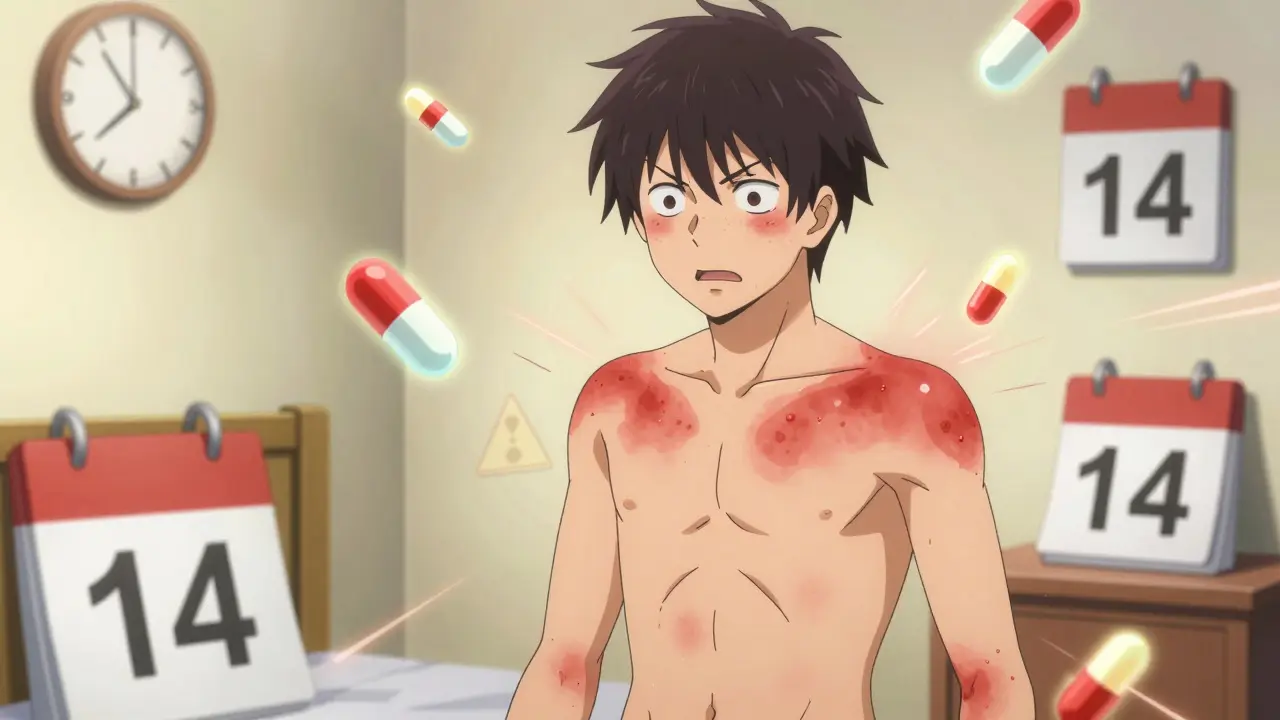
Skin Rashes from Medications: What You Need to Know Before It Gets Serious
Drug rashes are common, but some can be deadly. Learn which medications cause them, how to spot the dangerous ones, and what to do if you develop a rash after starting a new drug.

MedWatch System Explained: How FDA Tracks Drug and Device Safety
MedWatch is the FDA's primary system for collecting adverse event reports on drugs, devices, and cosmetics. Learn how it works, who reports, what makes a good report, and how it helps keep the public safe.

Shingles Treatment: Effective Antiviral and Pain Management Strategies
Shingles treatment requires prompt antiviral use within 72 hours of rash onset to reduce severity. Learn about effective pain management strategies, prevention through vaccination, and how to avoid complications like post-herpetic neuralgia.
Sugar Intake and Diabetes Medications: How Diet Impacts Your Treatment
Sugar intake directly impacts how well your diabetes medications work. Learn which foods to avoid, how metformin and other drugs respond to sugar, and practical steps to improve glycemic control without drastic changes.
How to Verify Controlled Substance Quantities and Directions: A Step-by-Step Guide for Pharmacists
Learn the exact steps pharmacists must follow to verify controlled substance quantities and directions to prevent errors, avoid legal penalties, and protect patients. Includes DEA number math, PDMP use, CDC conversion factors, and compliance updates for 2026.
Antitrust Issues in Generic Substitution: How Big Pharma Blocks Cheaper Drugs
Big Pharma uses legal loopholes to block generic drugs from entering the market, costing consumers billions. Learn how product hopping, REMS abuse, and court rulings are shaping the fight over generic substitution and antitrust enforcement.

Idiosyncratic Drug Reactions: Rare, Unpredictable Side Effects Explained
Idiosyncratic drug reactions are rare, unpredictable side effects that can cause severe organ damage or death. Unlike common side effects, they're not dose-related and often appear weeks after starting a medication. Understanding these reactions can save lives.
Brand vs Generic Medications: Why Excipients Cause Side Effects and Intolerances
Generic medications save money but may contain different inactive ingredients that trigger side effects in sensitive individuals. Learn how excipients affect drug absorption and what to do if you react to a generic.

Arrhythmia Procedures: Catheter Ablation and Device Therapy Explained
Catheter ablation and device therapy offer effective, life-changing treatments for heart rhythm disorders like atrial fibrillation. Learn how they work, who benefits most, and why they’re now first-line options.